2,4-DICHLOROBENZYL IODIDE → HCID 10131732, compound
Reaction equation

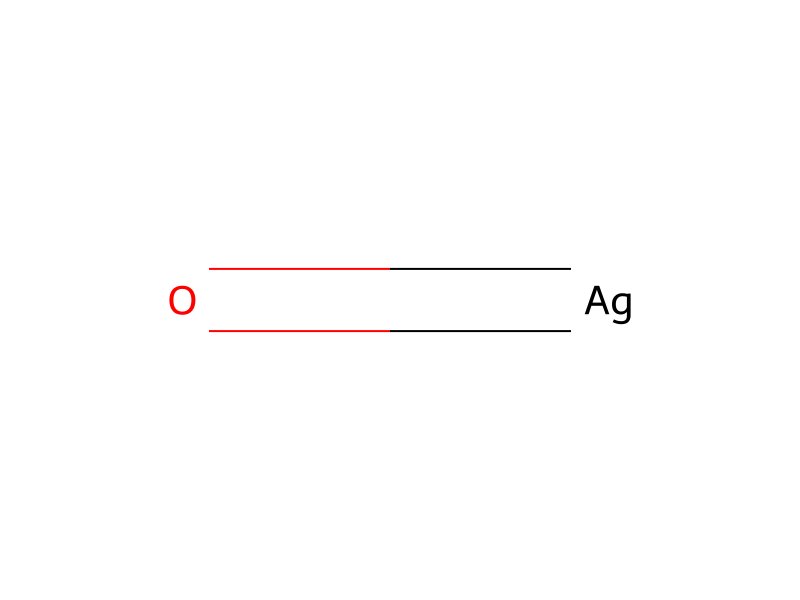
[CH3:1][O:2][C:3]([C:5]1[CH:6]=[C:7]2[C:11](=[CH:12][CH:13]=1)[NH:10][CH:9]=[CH:8]2)=[O:4].[Cl:14][C:15]1[CH:22]=[C:21]([Cl:23])[CH:20]=[CH:19][C:16]=1[CH2:17]I>[Ag]=O.O1CCOCC1>[Cl:14][C:15]1[CH:22]=[C:21]([Cl:23])[CH:20]=[CH:19][C:16]=1[CH2:17][C:8]1[C:7]2[C:11](=[CH:12][CH:13]=[C:5]([C:3]([O:2][CH3:1])=[O:4])[CH:6]=2)[NH:10][CH:9]=1Participants
5
Reactant 2


Product 1

Reagents, catalysts & solvents 2

Procedure
Silver oxide (28.09 g) is added to a dioxane (200 ml) solution of 5-methoxycarbonylindole (17.52 g) and 2,4-dichlorobenzyl iodide (34.49 g), and stirred under reflux for 6.5 hours. The insoluble is removed through filtration, and the filtrate is concentrated under reduced pressure. The resulting oily residue is purified through silica gel column chromatography (eluent: hexane/ethyl acetate=4/1), and recrystallized from hexane/ethyl acetate to obtain 3-(2,4-dichlorobenzyl)-5-methoxycarbonylindole (46) (5.49 g).
Workup
- temperatureunder reflux for 6.5 hours
- customThe insoluble is removed through filtration
- concentrationthe filtrate is concentrated under reduced pressure
- customThe resulting oily residue is purified through silica gel column chromatography (eluent: hexane/ethyl acetate=4/1)
- customrecrystallized from hexane/ethyl acetate
Sources & evidence
- ORD record
- ord-ea2dd6d64af34e308e84046a70f6ece2
- Source dataset
- uspto-grants-2006_10
- Patent number
- US07115647B2
Reaction notes
Loading…