2-Methylbutanal → HCID 87892406, compound
Reaction equation

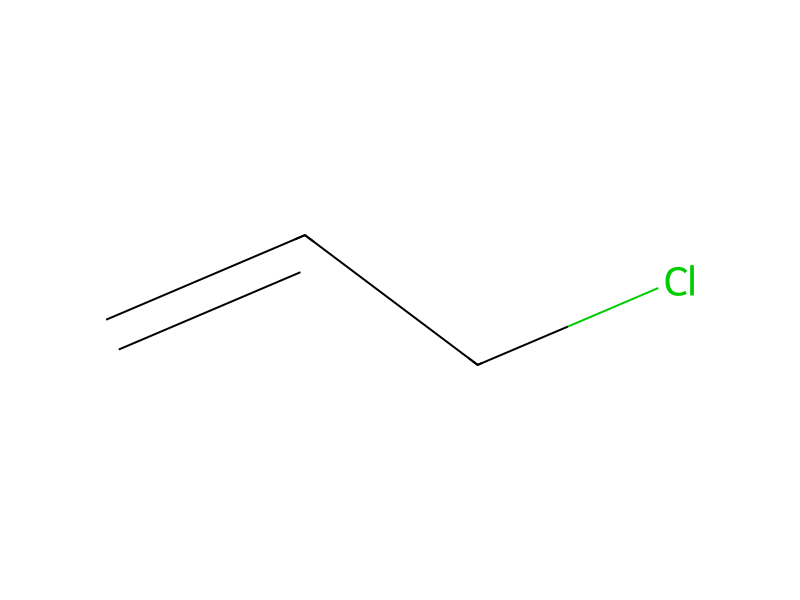
C(Cl)C=C.[S].[CH2:6]([CH:8]([CH2:11][CH3:12])[CH:9]=O)[CH3:7].CC(CC)C=O.[N:19]1[C:20](=[S:24])[N:21]=CC=1>>[CH3:9][CH:8]([C:11]1[CH:12]=[N:21][C:20](=[S:24])[N:19]=1)[CH2:6][CH3:7]Participants





Procedure
Allyl chloride was used for protecting the sulfur before oxidation for all of these examples. Racemic 4-(2-butyl)imidazole-2-thione 7G was prepared from racemic 2-ethylbutanal by this approach. The synthesis was repeated with optically active 2-methylbutanal to show that an aldehyde with a chiral carbon adjacent to the carbonyl leads to an enantiomerically enriched imidazole-2-thione. The chiral aldehyde was obtained in 61% yield by oxidizing (S)-(−)-2-methyl-1-butanol with oxalyl chloride and DMSO at −50° C. The Strecker reaction followed by Dibal-H reduction gave desired diamine 18H in 21% yield for two steps. Treatment with 1,1′-thiocarbonyldiimidazole, protecting the sulfur with allyl chloride followed by Swern oxidation gave 21H in 56% yield for three steps. The desired imidazole-2-thione 7H was obtained in 40% yield by deprotecting 21H with p-toluenesulfinic acid in the presence of a catalytic amount of Pd(P Ph3)4. Hplc analysis showed an enantiomeric ratio of 98:2 indicating scant racemization through the several steps.
Sources & evidence
- ORD record
- ord-0e35cff65a3a4da0bb30299a2f4d1e07
- Source dataset
- uspto-grants-2006_10
- Patent number
- US07115748B2
Reaction notes
Loading…