Triethylamine → tert-Butyl 4-(6-chloropyridazin-3-yl)piperazine-1-carboxylate
Reaction equation

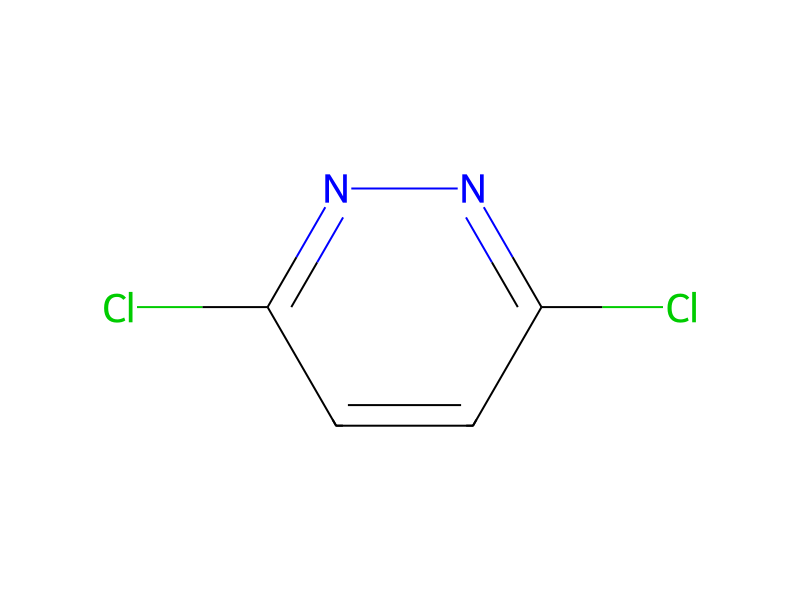
[N:1]1([C:7]([O:9][C:10]([CH3:13])([CH3:12])[CH3:11])=[O:8])[CH2:6][CH2:5][NH:4][CH2:3][CH2:2]1.[Cl:14][C:15]1[N:16]=[N:17][C:18](Cl)=[CH:19][CH:20]=1.C(N(CC)CC)C>C(O)CCC>[Cl:14][C:15]1[N:16]=[N:17][C:18]([N:4]2[CH2:5][CH2:6][N:1]([C:7]([O:9][C:10]([CH3:13])([CH3:12])[CH3:11])=[O:8])[CH2:2][CH2:3]2)=[CH:19][CH:20]=1Participants
5




Procedure
A mixture of 13.52 g of tert-butyl 1-piperazinecarboxylate, 10.81 g of 3,6-dichloropyridazine and 20 ml of triethylamine in 100 ml of n-butanol is refluxed for 5 hours. The mixture is concentrated under vacuum and the residue is chromatographed on silica gel, eluting with a DCM/EtOAc mixture (90/10; v/v). 14 g of the expected product are obtained, and are used without further purification.
Workup
- temperatureis refluxed for 5 hours
- concentrationThe mixture is concentrated under vacuum
- customthe residue is chromatographed on silica gel
- washeluting with a DCM/EtOAc mixture (90/10; v/v)
Sources & evidence
- ORD record
- ord-d1e4d737af7f4455bbd02125e7360df4
- Source dataset
- uspto-grants-2006_10
- Patent number
- US07119086B2
Reaction notes
Loading…