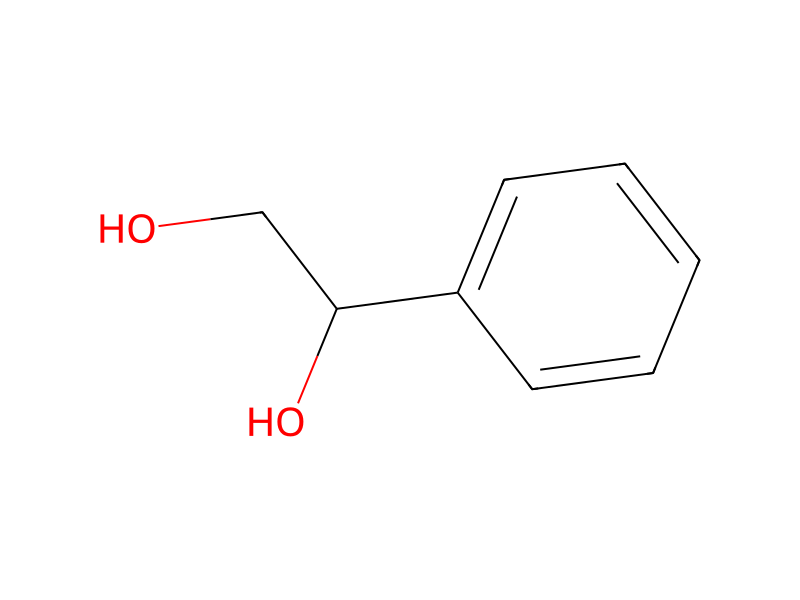
1-Phenyl-1,2-ethanediol → HCID 21923937, compound
Reaction equation

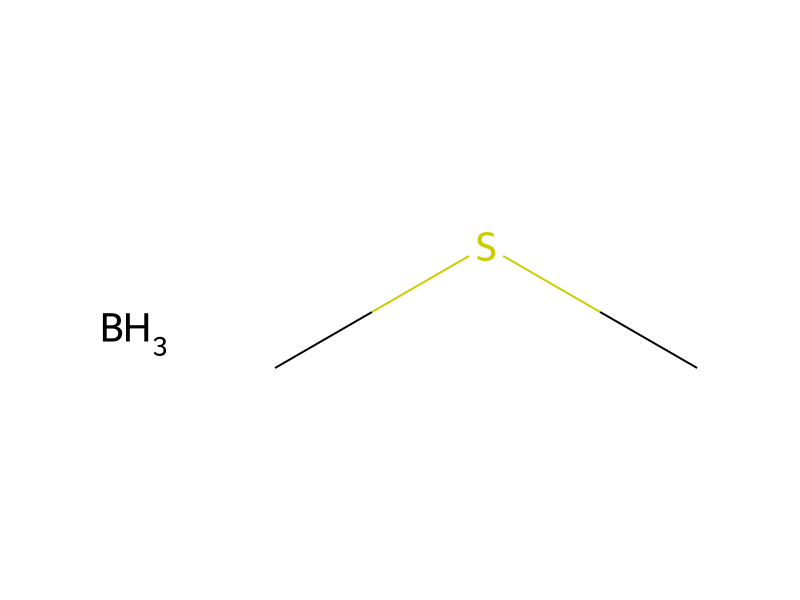
[C:1]1([CH:7]2[CH2:11][O:10][BH:9][O:8]2)[CH:6]=[CH:5][CH:4]=[CH:3][CH:2]=1.C1(C(O)CO)C=CC=CC=1.CSC.B.I[C:27]1[CH:32]=[CH:31][C:30]2[O:33][CH2:34][O:35][C:29]=2[CH:28]=1>O1CCOCC1.C(N(CC)CC)C.C(Cl)Cl>[C:1]1([CH:7]2[CH2:11][O:10][B:9]([C:27]3[CH:32]=[CH:31][C:30]4[O:33][CH2:34][O:35][C:29]=4[CH:28]=3)[O:8]2)[CH:2]=[CH:3][CH:4]=[CH:5][CH:6]=1Participants
Reactant 4


Product 1

Reagents, catalysts & solvents 3



Conditions
- Temperature
- 80 °C
Procedure
The 4-phenyl-1,3,2-dioxaborolane was first prepared by reaction of 236 mg phenyl-1,2-ethanediol (1.7 mmol) with borane dimethylsulfide adduct (0.15 ml, 1.5 mmol) in 2 ml of dioxane. A stock solution of the catalyst in dioxane was made by heating 250 mg PdCl2[dppf].CH2Cl2 with triethylamine (4.5 ml) at 80° C. for 20 h in 40 ml dioxane. To this solution was added 2.48 g (10 mmol) of 1-iodo-3,4-methylenedioxybenzene. 4.8 ml of this reaction solution was then placed in the reaction tube containing the borane ester. The mixture was heated for 20 h at 80° C. and then an aliquot was removed, dissolved in some ethyl acetate containing a little of the diol and shaken with 10% brine solution. After drying with MgSO4, the gc was measured. One major peak, of retention time 15.7 mins was found. This was shown by gc/ms to be the desired product.
Workup
- customan aliquot was removed
- dissolutiondissolved in some ethyl acetate containing a little of the diol
- dry with materialAfter drying with MgSO4
Sources & evidence
- ORD record
- ord-44396db542884316a65d98f5c003529f
- Source dataset
- uspto-grants-2006_10
- Patent number
- US07122694B2
Reaction notes
Loading…