Acetic Acid → HCID 86741141, compound
Reaction equation

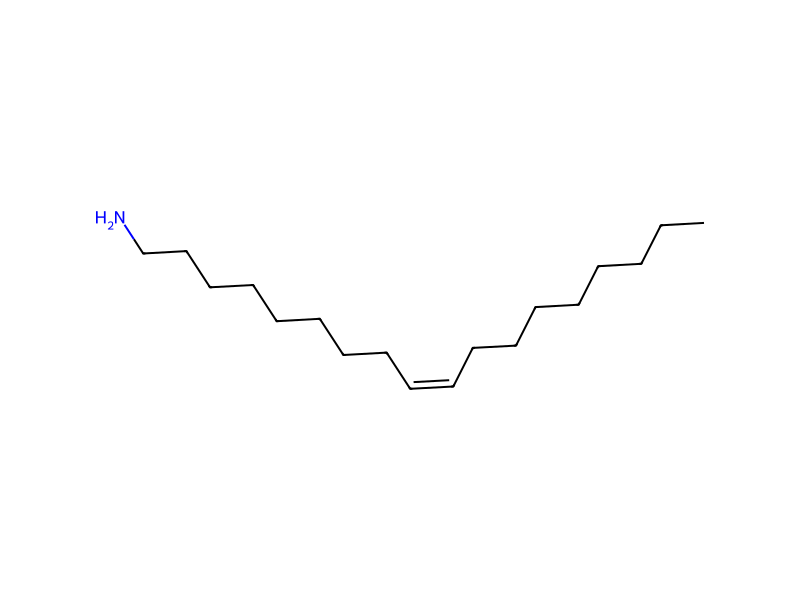
[CH2:1]([NH2:19])[CH2:2][CH2:3][CH2:4][CH2:5][CH2:6][CH2:7][CH2:8]/[CH:9]=[CH:10]\[CH2:11][CH2:12][CH2:13][CH2:14][CH2:15][CH2:16][CH2:17][CH3:18].[C:20]([O-])(=[O:23])[CH:21]=C.[C:25](O)(=O)C>>[C:20]([N:19]([CH2:1][CH2:2][CH2:3][CH2:4][CH2:5][CH2:6][CH2:7][CH2:8]/[CH:9]=[CH:10]\[CH2:11][CH2:12][CH2:13][CH2:14][CH2:15][CH2:16][CH2:17][CH3:18])[CH3:25])(=[O:23])[CH3:21]Participants
4



Procedure
When an amide of a fatty amine is desired, i.e. a compound wherein X is --CH2 --NR4R5, it is convenient to acylate and, optionally, alkylate a compound such as oleyl amine and then hydroformylate and acrylate as described above. For example, oleyl amine can be acetylated with acetic acid and methylated to form N-acetyl-N-methyl oleyl amine. This unsaturated amine can then be reacted with carbon monoxide and hydrogen to prepare N-acetyl-N-methyl-10(11)-formyl octadecanamine. This formylated amine can then be reduced to prepare N-acetyl-N-methyl-10(11)-hydroxymethyloctadecanamine which is finally reacted with an acryloyl compound to prepare N-acetyl-N-methyl-10(11)-acryloxymethyloctadecacamine.
Sources & evidence
- ORD record
- ord-7d53887c9f344daca91e49c6fbd54d6b
- Source dataset
- uspto-grants-1986_12
- Patent number
- US04626582
Reaction notes
Loading…