Dichloroacetic Acid → 4-(1-Methylethyl)-5-(4-methylthiophenyl)-1-(alpha-ethoxyethyl)imidazole
Reaction equation

[CH3:1][CH:2]([C:4]1[N:5]=[CH:6][NH:7][C:8]=1[C:9]1[CH:14]=[CH:13][C:12]([S:15][CH3:16])=[CH:11][CH:10]=1)[CH3:3].ClC(Cl)C(O)=O.[CH:23]([O:25][CH2:26][CH3:27])=[CH2:24].[OH-].[Na+]>C1(C)C=CC=CC=1>[CH3:3][CH:2]([C:4]1[N:5]=[CH:6][N:7]([CH:23]([O:25][CH2:26][CH3:27])[CH3:24])[C:8]=1[C:9]1[CH:14]=[CH:13][C:12]([S:15][CH3:16])=[CH:11][CH:10]=1)[CH3:1]Participants
6

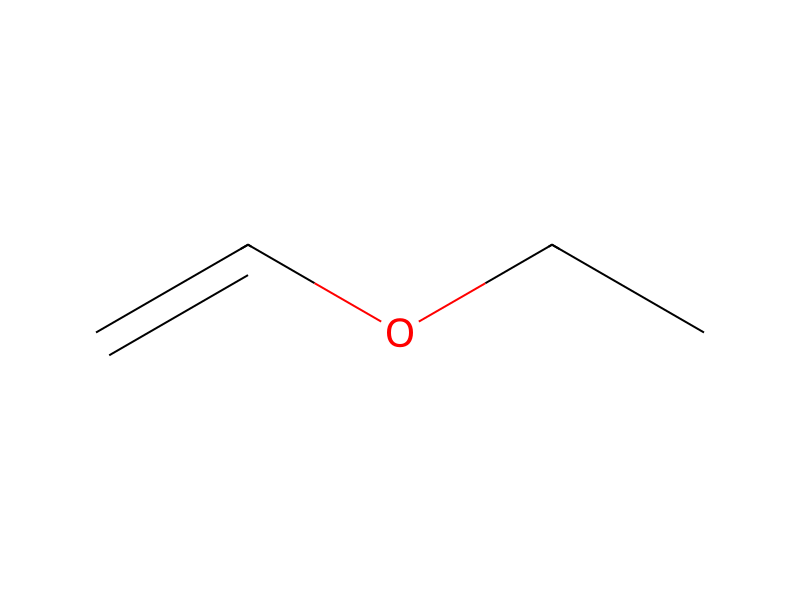




Procedure
A mixture of 7.48 g (32.2 mmoles) of 4-(1-methylethyl)-5-(4-methythiophenyl)-1H-imidazole, 4.56 g (35.3 mmoles) of dichloroacetic acid and 17.57 g (0.24 mole) of ethyl vinyl ether in 350 ml of toluene were heated at reflux for 3.5 hours. The reaction mixture was cooled to room temperature and was then stirred overnight with 100 ml of 25% aqueous sodium hydroxide. The organic layer was separated and the aqueous was extracted with ether (2×). The organic fractions were combined, washed with brine, and dried over anhydrous potassium carbonate. Removal of the solvent in vacuo afforded 9.8 g of an orange oil which was used in the subsequent reaction without purification.
Workup
- temperaturewere heated
- temperatureat reflux for 3.5 hours
- customThe organic layer was separated
- extractionthe aqueous was extracted with ether (2×)
- washwashed with brine
- dry with materialdried over anhydrous potassium carbonate
- customRemoval of the solvent in vacuo
Sources & evidence
- ORD record
- ord-c7b4b79a3bfb4e04b16ea4f824c28fb4
- Source dataset
- uspto-grants-1986_12
- Patent number
- US04632930
Reaction notes
Loading…