Dichloromethane → 8-(3-Pyridinyl)-7-octyn-1-ol
Reaction equation

C(Cl)Cl.[CH2:4]([OH:12])[CH2:5][CH2:6][CH2:7][CH2:8][CH2:9][C:10]#[CH:11].Br[C:14]1[CH:15]=[N:16][CH:17]=[CH:18][CH:19]=1>C(N(CC)CC)C>[N:16]1[CH:17]=[CH:18][CH:19]=[C:14]([C:11]#[C:10][CH2:9][CH2:8][CH2:7][CH2:6][CH2:5][CH2:4][OH:12])[CH:15]=1Participants
Reactant 3

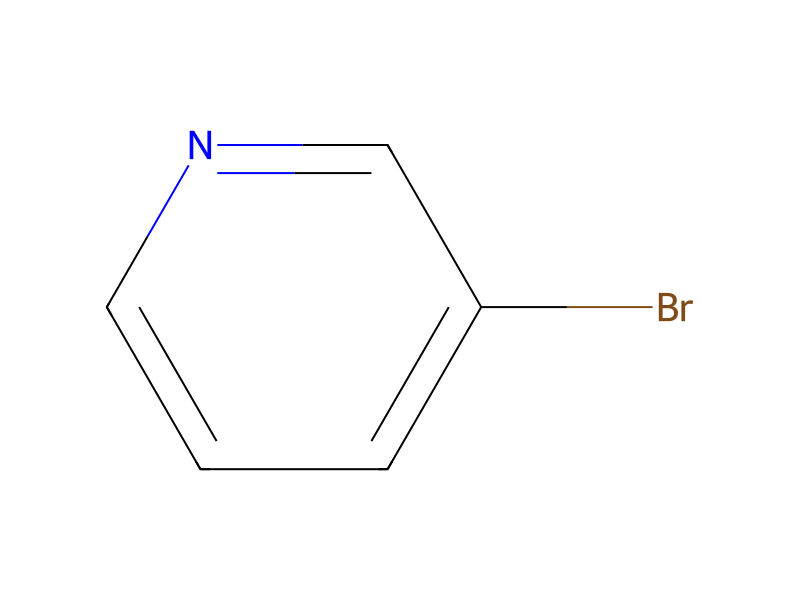

Product 1

Reagents, catalysts & solvents 1

Procedure
A flame-dried, 22-L flask equipped with a mechanical stirrer, condenser, and a gas inlet tube dipping below the surface of the solvent was charged with 4.0 L of methylene chloride, 1.25 L of triethylamine, 385 g of 7-octyn-1-ol, and 285 mL (456 g) of 3-bromopyridine. The reagents were rinsed into the flask with an additional 100 mL of methylene chloride. Argon was bubbled through the reaction mixture for 30 minutes. The flask was evacuated for 3 minutes at 70 mm. The vacuum was released by bubbling in argon. This process was repeated six times and then 42 g of dichlorobis(triphenyl phosphine)palladium (II) and 4 g of cuprous iodide were added. The mixture was heated at a gentle reflux for 18 hours and cooled to 20°. To the mixture was added, with vigorous stirring, 8.0 L of ether. A small amount of yellowish-white solid was removed by filtration and washed with 2×1.5 L=3.0 L of ether. The combined filtrate was washed with 3.0 L of deionized water and 2×3.0 L=6.0 L of 1N hydrochloric acid. The combined aqueous solutions were washed with 2×2.5 L=5.0 L of ether. The organic solutions were discarded and the aqueous solution was made strongly basic by the addition of 2.50 L of 20% sodium hydroxide solution. The resulting mixture was extracted with 3×4.0 L=12.0 L of methylene chloride. The extracts were dried over sodium sulfate and filtered through Celite. Solvent removal on a rotary evaporator at 45° gave 534.2 g (91% yield) of a pale brown 8-(3-pyridinyl)-7-octyn-1-ol having a strong odor of 3-bromopyridine. No further purification of this material was undertaken.
Workup
- washThe reagents were rinsed into the flask with an additional 100 mL of methylene chloride
- customArgon was bubbled through the reaction mixture for 30 minutes
- customThe flask was evacuated for 3 minutes at 70 mm
- customby bubbling in argon
- addition42 g of dichlorobis(triphenyl phosphine)palladium (II) and 4 g of cuprous iodide were added
- temperatureThe mixture was heated at
- temperaturea gentle reflux for 18 hours
- temperaturecooled to 20°
- additionTo the mixture was added, with vigorous stirring, 8.0 L of ether
- customA small amount of yellowish-white solid was removed by filtration
- washwashed with 2×1.5 L=3.0 L of ether
- washThe combined filtrate was washed with 3.0 L of deionized water and 2×3.0 L=6.0 L of 1N hydrochloric acid
- washThe combined aqueous solutions were washed with 2×2.5 L=5.0 L of ether
- additionthe aqueous solution was made strongly basic by the addition of 2.50 L of 20% sodium hydroxide solution
- extractionThe resulting mixture was extracted with 3×4.0 L=12.0 L of methylene chloride
- dry with materialThe extracts were dried over sodium sulfate
- filtrationfiltered through Celite
- customSolvent removal
- customon a rotary evaporator at 45°
Sources & evidence
- ORD record
- ord-90f8a98ca6a94414b1d6fffcb8ef996c
- Source dataset
- uspto-grants-1986_12
- Patent number
- US04632925
Reaction notes
Loading…