1,2-Epoxycyclododeca-5,9-diene → 13-Oxabicyclo[10.1.0]tridecane
Reaction equation

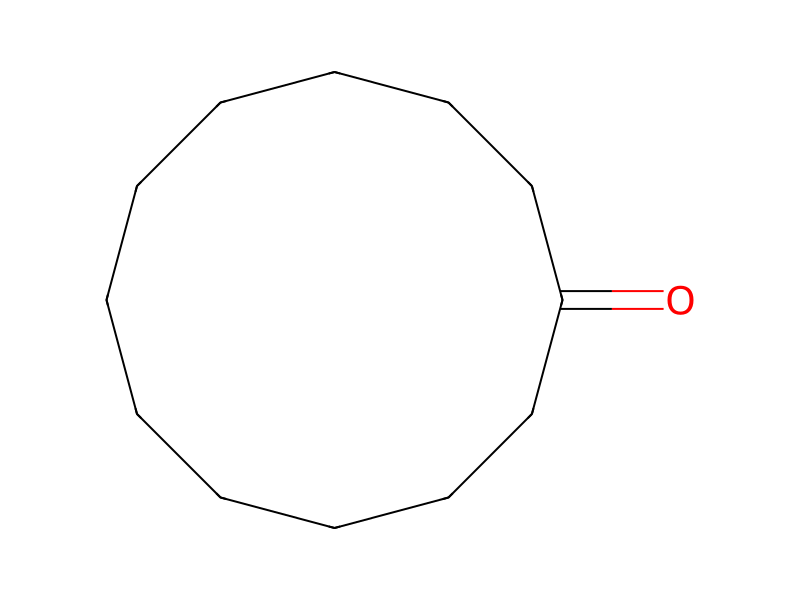
[O:1]1[CH:3]2[CH2:4][CH2:5][CH:6]=[CH:7][CH2:8][CH2:9][CH:10]=[CH:11][CH2:12][CH2:13][CH:2]12.[H][H]>[Pd]>[O:1]1[CH:3]2[CH2:4][CH2:5][CH2:6][CH2:7][CH2:8][CH2:9][CH2:10][CH2:11][CH2:12][CH2:13][CH:2]12.[CH:2]1([OH:1])[CH2:13][CH2:12][CH2:11][CH2:10][CH2:9][CH2:8][CH2:7][CH2:6][CH2:5][CH2:4][CH2:3]1.[C:2]1(=[O:1])[CH2:13][CH2:12][CH2:11][CH2:10][CH2:9][CH2:8][CH2:7][CH2:6][CH2:5][CH2:4][CH2:3]1Participants
6





Procedure
Further, Neftekhimiya, 16(1), 119—119, (1976) discloses a method in which 1,2-epoxy-5,9-cyclododecadiene is brought into contact with hydrogen in the presence of a palladium-carrying catalyst under a hydrogen pressure of 9.06 MPa (80 atmospheres) at a temperature of 140° C. By this method, 49.5% of epoxycyclododecane, 33.3% of cyclododecanol and 3.4% of cyclododecanone were obtained. In this method, the yields of cyclododecanol and cyclododecanone were unsatisfactory.
Workup
- customat a temperature of 140° C
Sources & evidence
- ORD record
- ord-d9524469051d4f83992e747a163f0071
- Source dataset
- uspto-grants-2002_01
- Patent number
- US06335472B1
Reaction notes
Loading…