Hydrochloric Acid → HCID 13752735, compound
Reaction equation

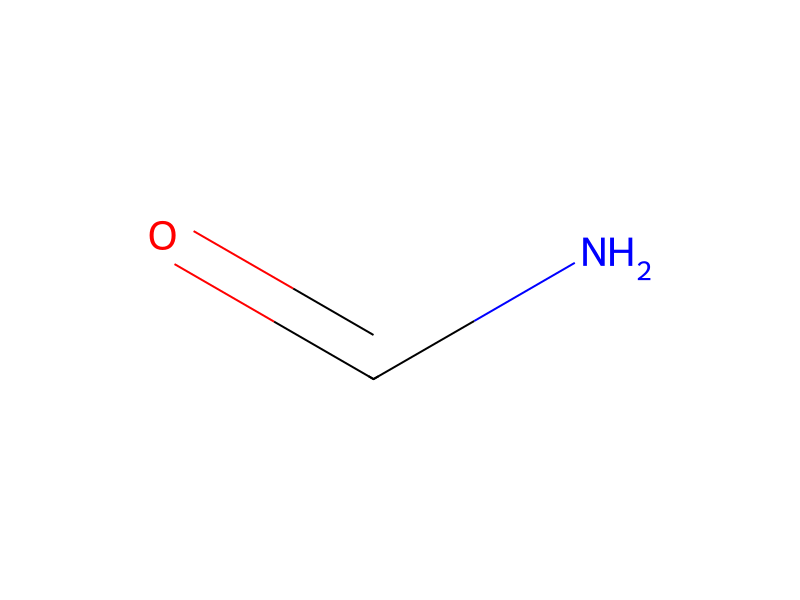
[CH:1]([N:3]([CH:12]1[CH:17]([CH2:18][CH3:19])[CH2:16][CH2:15][CH2:14][CH:13]1[CH2:20][CH3:21])[C:4](=[CH:10]O)[C:5]([O:7][CH2:8][CH3:9])=[O:6])=O.Cl.C([NH2:25])=O>>[CH2:20]([CH:13]1[CH2:14][CH2:15][CH2:16][CH:17]([CH2:18][CH3:19])[CH:12]1[N:3]1[C:4]([C:5]([O:7][CH2:8][CH3:9])=[O:6])=[CH:10][N:25]=[CH:1]1)[CH3:21]Participants
4



Procedure
39.7 g (0.13 mol) of ethyl 2-(N-formyl-2,6-diethylcyclohexylamino)-3-hydroxy-acrylate, together with 240 ml of formamide and 24 ml of concentrated hydrochloric acid, were heated at 150° C. for 6 hours. After cooling, the mixture was extracted twice with diisopropyl ether, the organic phase was washed twice with water, dried over sodium sulfate and evaporated, and the residue was chromatographed over a silica gel column (mobile phase 7:3 petroleum ether (low-boiling)/ethyl acetate). 20.5 g (55% of theory) of ethyl 1-(2,6-diethylcyclohexyl)-imidazole-5-carboxylate was obtained as a colorless oil. Identification was effected by means of NMR spectroscopy.
Workup
- temperatureAfter cooling
- extractionthe mixture was extracted twice with diisopropyl ether
- washthe organic phase was washed twice with water
- dry with materialdried over sodium sulfate
- customevaporated
- customthe residue was chromatographed over a silica gel column (mobile phase 7:3 petroleum ether (low-boiling)/ethyl acetate)
Sources & evidence
- ORD record
- ord-7216c1bb6dc94da5bbeb8922ffc68fe4
- Source dataset
- uspto-grants-1988_05
- Patent number
- US04747868
Reaction notes
Loading…