Acetic Anhydride → HCID 14156379, compound
Reaction equation

[CH:1]1([C:10]([OH:12])=O)[CH2:6][CH2:5][CH2:4][CH:3]([C:7]([OH:9])=O)[CH2:2]1.C(OC(=O)C)(=O)C.[NH2:20][CH2:21][CH2:22][CH2:23][CH2:24][N:25]1[CH2:30][CH2:29][N:28]([C:31]2[CH:36]=[N:35][CH:34]=[CH:33][N:32]=2)[CH2:27][CH2:26]1.O.Cl>O.C1(C)C(C)=CC=CC=1>[N:32]1[CH:33]=[CH:34][N:35]=[CH:36][C:31]=1[N:28]1[CH2:27][CH2:26][N:25]([CH2:24][CH2:23][CH2:22][CH2:21][N:20]2[C:7](=[O:9])[CH:3]3[CH2:2][CH:1]([CH2:6][CH2:5][CH2:4]3)[C:10]2=[O:12])[CH2:30][CH2:29]1Participants






Procedure
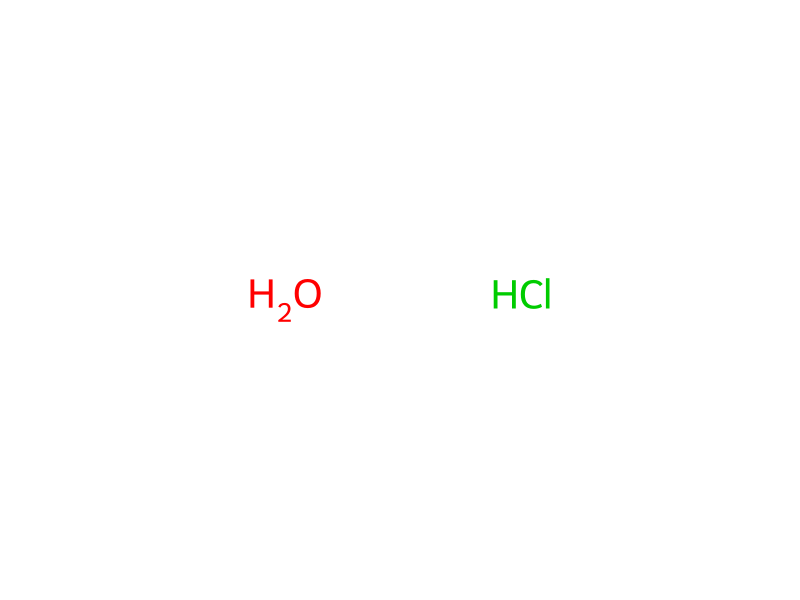
1,3-Cyclohexane dicarboxylic acid (1.65 g., 9.6 mmole) was dissolved in 75 ml. of acetic anhydride and refluxed for 3 hours under N2. The solvent was removed in vacuum and replaced with 250 ml. of methylene chloride. 1-(4-Aminobutyl)-4-(2-pyrazinyl)piperazine (2.35 g., 10 mmole) was added and the mixture was stirred for 30 minutes at room temperature. The solvent was then replaced with 200 ml. xylene and the mixture was refluxed for 24 hours with water removal via a Dean-Stark trap. The product was concentrated to an oil in vacuum and column chromatographed in 100 g. silica gel with a gradient elution proceeding from methylene chloride to 5% isopropanol/methylene chloride. Evaporation of the relevant fractions gave 1.4 g. of the title compound, which was recrystallized from isopropanol with the addition of 4N isopropanolic HCl to give 900 mg. of monohydrochloride monohydrate; m.p. 226°-229° C.
Workup
- customThe solvent was removed in vacuum
- concentrationThe product was concentrated to an oil in vacuum and column
- customchromatographed in 100 g
- washsilica gel with a gradient elution
- customEvaporation of the relevant fractions
- customgave 1.4 g
- customof the title compound, which was recrystallized from isopropanol with the addition of 4N isopropanolic HCl
- customto give 900 mg
Sources & evidence
- ORD record
- ord-fb4781909c2446cc8ecc1260be206f9b
- Source dataset
- uspto-grants-1988_05
- Patent number
- US04748240
Reaction notes
Loading…