Sodium Chloride → 2-Bromoquinoline-4-carboxylic acid
Reaction equation

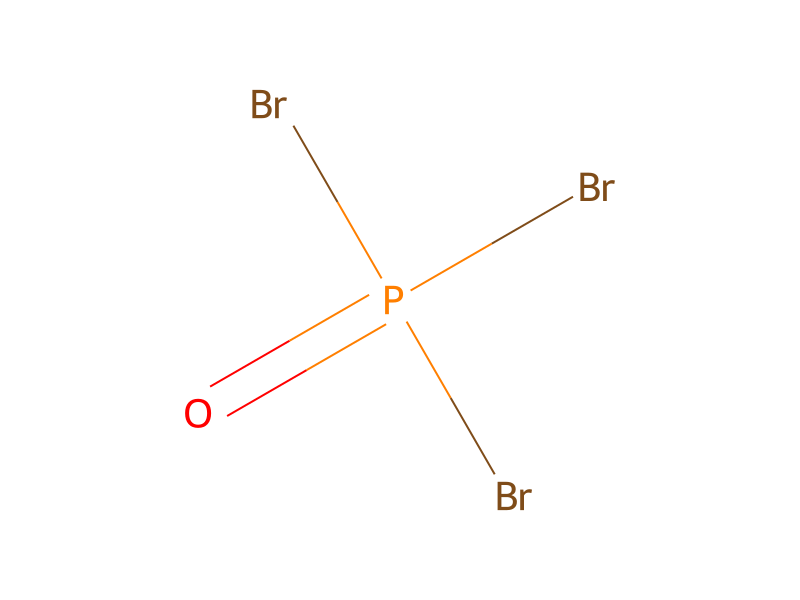
P(Br)(Br)([Br:3])=O.O[C:7]1[CH:16]=[C:15]([C:17]([OH:19])=[O:18])[C:14]2[C:9](=[CH:10][CH:11]=[CH:12][CH:13]=2)[N:8]=1.[Cl-].[Na+]>>[Br:3][C:7]1[CH:16]=[C:15]([C:17]([OH:19])=[O:18])[C:14]2[C:9](=[CH:10][CH:11]=[CH:12][CH:13]=2)[N:8]=1Participants
4



Conditions
- Temperature
- 90 °C
Procedure
Phosphorus oxybromide (5.00 g, 17.4 mmol) was added to commercially available 2-hydroxy-4-quinolinecarboxylic acid (1.00 g, 5.29 mmol), and the mixture was heated with stirring at 90° C. for 4 hours. The reaction solution was added to ice water. To the mixture, sodium chloride was added, and the deposited crystal was collected by filtration, washed with water, and dried to obtain the title compound.
Workup
- temperaturethe mixture was heated
- filtrationthe deposited crystal was collected by filtration
- washwashed with water
- customdried
Sources & evidence
- ORD record
- ord-5b4fb6e6560d4022b3e467e8616423ea
- Source dataset
- uspto-grants-2013_06
- Patent number
- US08466290B2
Reaction notes
Loading…