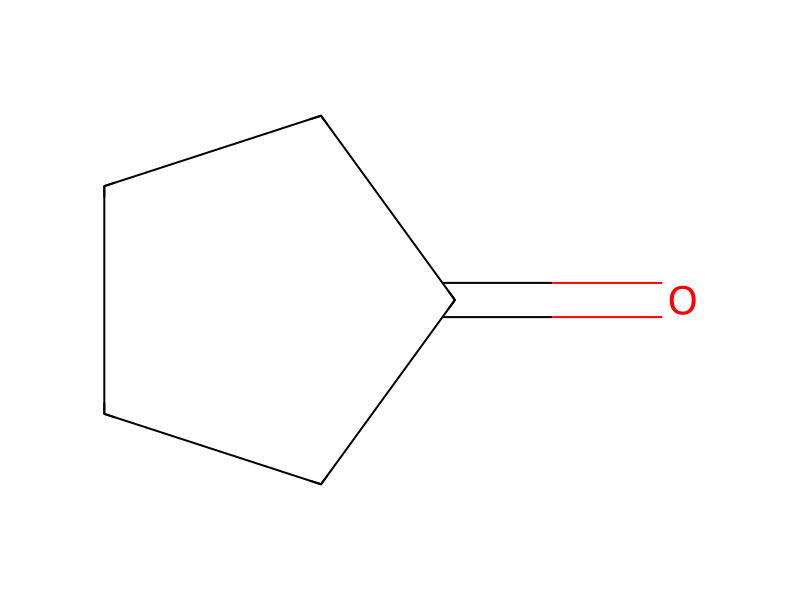
Cyclopentanone → 4-(1-Hydroxycyclopentyl)benzonitrile
Reaction equation

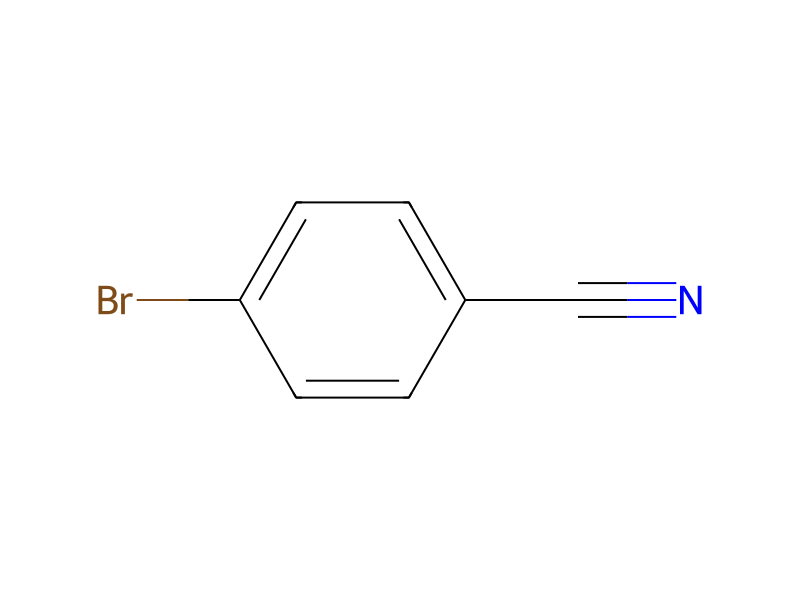
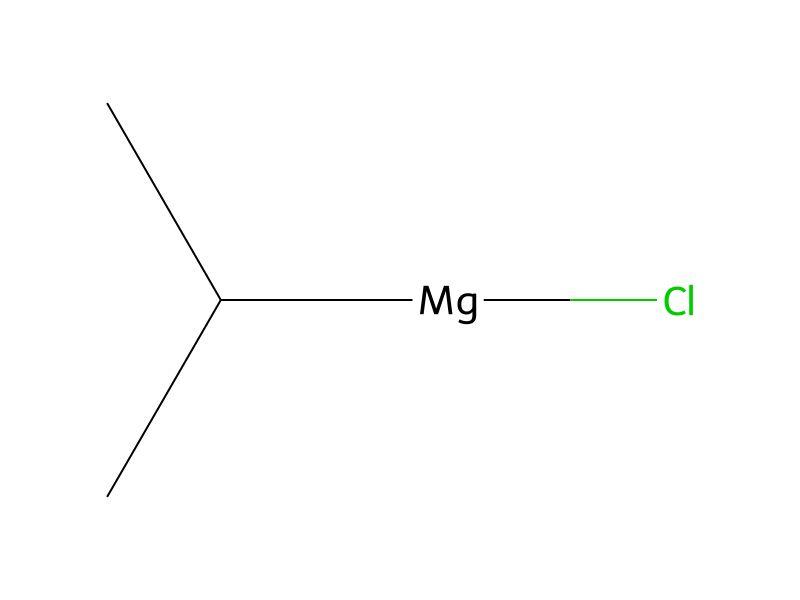
BrBr.[Mg].Br[C:5]1[CH:12]=[CH:11][C:8]([C:9]#[N:10])=[CH:7][CH:6]=1.C([Mg]Cl)(C)C.[Li+].[Cl-].[C:20]1(=[O:25])[CH2:24][CH2:23][CH2:22][CH2:21]1>>[OH:25][C:20]1([C:5]2[CH:12]=[CH:11][C:8]([C:9]#[N:10])=[CH:7][CH:6]=2)[CH2:24][CH2:23][CH2:22][CH2:21]1Participants
6



Procedure
According to Example 2, the Grignard reagent 1C (freshly prepared via bromine-magnesium exchange[6] from 4-bromo-benzonitrile (400 mg, 2.20 mmol, 1.10 equiv) and i-PrMgCl.LiCl (1.00 M in THF; 2.16 mL, 2.16 mmol, 1.08 equiv) at −20° C.) was reacted with cyclopentanone (168 mg; 2.00 mmol) in the presence of LaCl3.2LiCl (0.33 M; 6.06 mL, 2.00 mmol, 1.00 equiv). The crude product was purified by flash column chromatography (silica; pentane:Et2O, 7:3) to give the desired product as a colorless oil (355 mg, 95%).
Workup
- customThe crude product was purified by flash column chromatography (silica; pentane:Et2O, 7:3)
Sources & evidence
- ORD record
- ord-26ec0b1737784cd48420e61496375849
- Source dataset
- uspto-grants-2013_06
- Patent number
- US08470982B2
Reaction notes
Loading…