Potassium Carbonate → 1-(4-Chloro-2-phenylaminophenyl)ethanone
Reaction equation

[NH2:1][C:2]1[CH:7]=[C:6]([Cl:8])[CH:5]=[CH:4][C:3]=1[C:9](=[O:11])[CH3:10].C(=O)([O-])[O-].[K+].[K+].I[C:19]1[CH:24]=[CH:23][CH:22]=[CH:21][CH:20]=1>C(OCCCC)CCC.[Cu]>[Cl:8][C:6]1[CH:5]=[CH:4][C:3]([C:9](=[O:11])[CH3:10])=[C:2]([NH:1][C:19]2[CH:24]=[CH:23][CH:22]=[CH:21][CH:20]=2)[CH:7]=1Participants

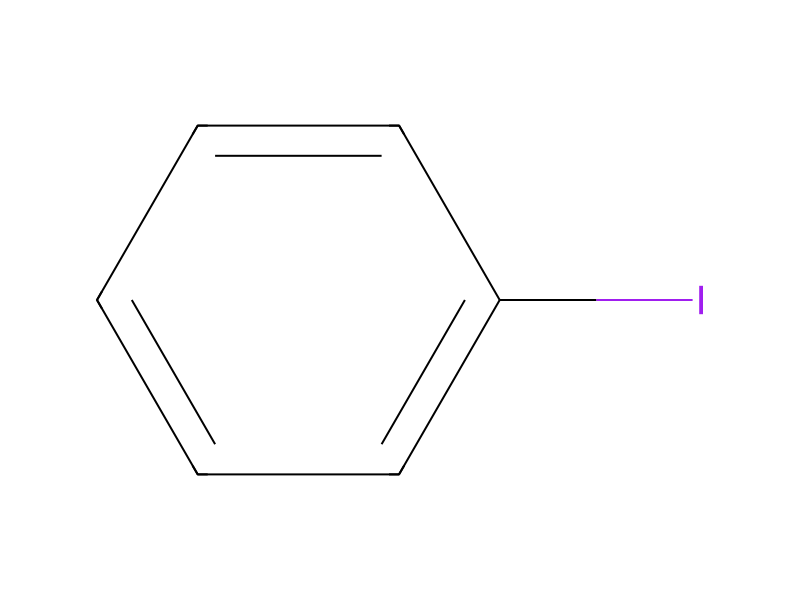




Conditions
- Temperature
- 142.5 °C
Procedure
A 3-necked round-bottomed flask equipped with a mechanic stirrer, a thermocouple probe, a reflux condenser and a nitrogen bubbler was charged with 1-(2-amino-4-chlorophenyl)ethanone (81 g, 478 mmol) in di-n-butyl ether (1 L). The reaction was then treated with pulverized potassium carbonate (200 g, 1.45 mol) and copper powder (5 g, 78 mmol). The reaction mixture was refluxed at 140-145° C. for 3 h. At this time, additional potassium carbonate (100 g, 0.72 mol), iodobenzene (100 g, 0.49 mol) and copper powder (2 g, 31 mmol) was added. The resulting mixture was refluxed overnight. At this time, the reaction was cooled to 25° C., filtered and washed with methyl tert-butyl ether. The filtrate was concentrated in vacuo. Flash chromatography (4″×16″ silica gel column; 0-2% ethyl acetate/hexanes) followed by concentration of the appropriate fractions, slurrying with hexanes, filtration and drying afforded 1-(4-chloro-2-phenylamino-phenyl)-ethanone (79.3 g, 67.6%) as a yellow solid. This material was used without further purification.
Workup
- customA 3-necked round-bottomed flask equipped with a mechanic stirrer
- temperatureThe resulting mixture was refluxed overnight
- temperatureAt this time, the reaction was cooled to 25° C.
- filtrationfiltered
- washwashed with methyl tert-butyl ether
- concentrationThe filtrate was concentrated in vacuo
- filtrationslurrying with hexanes, filtration
- customdrying
Sources & evidence
- ORD record
- ord-4ed766c874474fbebb0808cb7d630a30
- Source dataset
- uspto-grants-2013_06
- Patent number
- US08471027B2
Reaction notes
Loading…