Sucrose → Propylene Glycol
Reaction equation

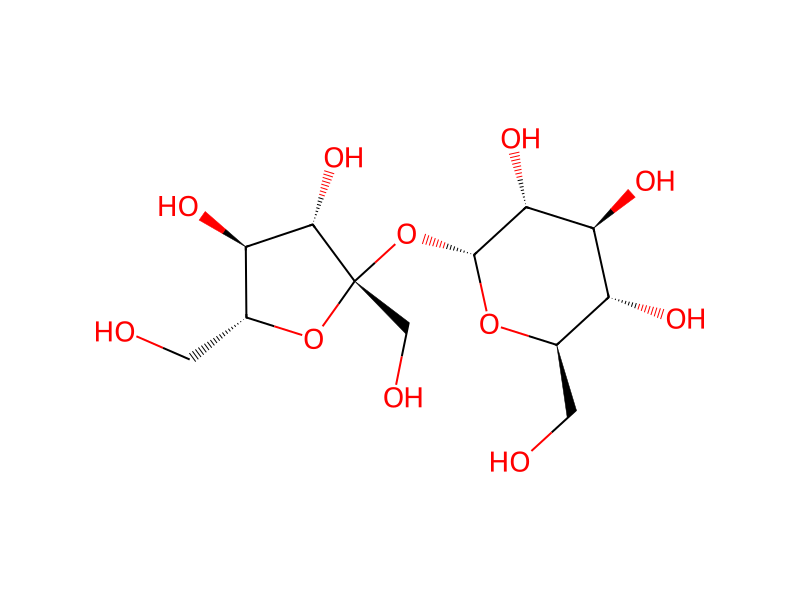
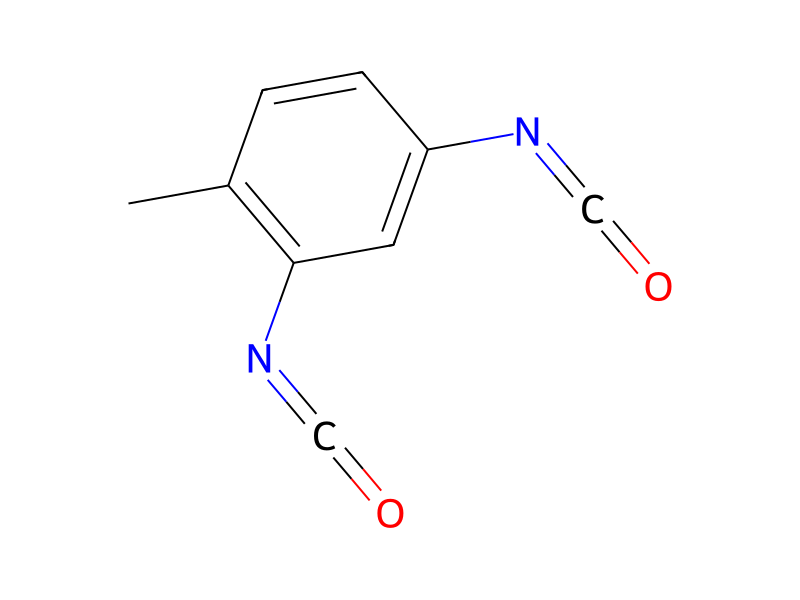
CC1C(N=C=O)=CC(N=C=O)=CC=1.[CH2:14]([OH:36])[C@H:15]1[O:20][C@H:19]([O:21][C@:22]2([CH2:31][OH:32])[O:26][C@H:25]([CH2:27][OH:28])[C@@H:24]([OH:29])[C@@H:23]2[OH:30])[C@H:18]([OH:33])[C@@H:17]([OH:34])[C@@H:16]1[OH:35]>>[CH2:25]1[O:26][CH:22]1[CH3:31].[CH2:14]([OH:36])[C@H:15]1[O:20][C@H:19]([O:21][C@:22]2([CH2:31][OH:32])[O:26][C@H:25]([CH2:27][OH:28])[C@@H:24]([OH:29])[C@@H:23]2[OH:30])[C@H:18]([OH:33])[C@@H:17]([OH:34])[C@@H:16]1[OH:35].[CH2:14]([OH:36])[CH:15]([OH:20])[CH3:16]Participants


Procedure
To a mixture of equal volumes of tolylene diisocyanate and Polyol II that was referred to hereinbefore, produced by reaction of propylene oxide with a condensation product of sucrose and 1,2-propanediol in the molecular ratio of 5 mols of 1,2-propanediol per mol of sucrose, were added 50% by weight of castor oil, 0.8% by weight of stannous octanoate and 1% by weight of foam stabilizer B which was described hereinbefore, and the mixture was intimately mixed and then injected into the test receptacle and treated in accordance with the method that was described hereinbefore. After 102 seconds, stoppage of the flow of the water through the perforated bottom of the receptacle was observed and no further flow of water was noted during the next 24 hours while the pressure in the receptacle was maintained at 5.5 bar.
Sources & evidence
- ORD record
- ord-f82fb201db554a91a9b6ae9f7239b3ce
- Source dataset
- uspto-grants-1984_06
- Patent number
- US04454252
Reaction notes
Loading…