1-(3-Bromopropoxy)-4-chlorobenzene → 3-(4-Chlorophenoxy)propyl acetohydroxamate
Reaction equation

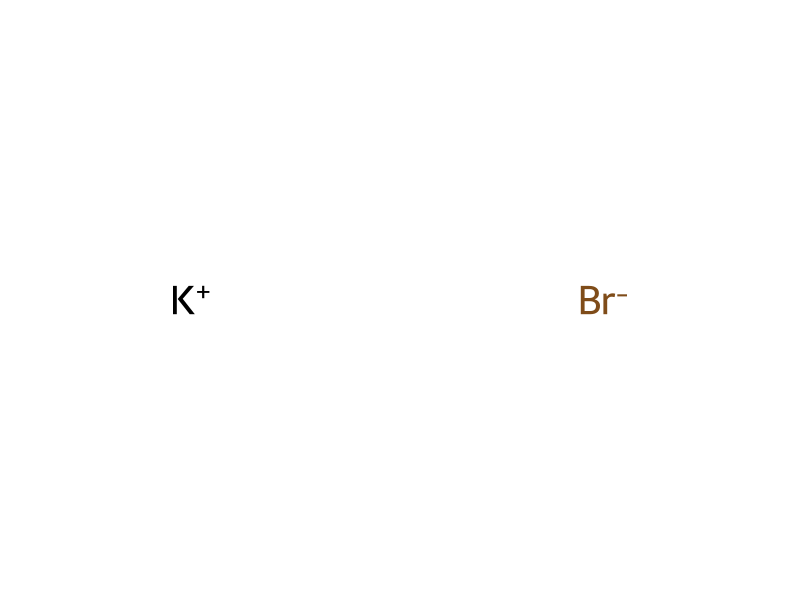
O.[C:2]([NH:5][O-:6])(=[O:4])[CH3:3].[K+].[Cl:8][C:9]1[CH:19]=[CH:18][C:12]([O:13][CH2:14][CH2:15][CH2:16]Br)=[CH:11][CH:10]=1.[K+].[Br-]>COCCO>[C:2]([NH:5][O:6][CH2:16][CH2:15][CH2:14][O:13][C:12]1[CH:11]=[CH:10][C:9]([Cl:8])=[CH:19][CH:18]=1)(=[O:4])[CH3:3]Participants



Conditions
- Temperature
- 50 °C
Procedure
To a solution of 0.91 kg (8.0 moles) of potassium acetohydroxamate hydrate in 4.96 kg of 2-methoxyethanol solution was added 1650 g (6.62 moles) of 3-(4-chlorophenoxy)propyl bromide. An additional 200 mL of 2-methoxyethanol was added and the reaction mixture was heated 2 hours at 50° C. After cooling to room temperature the KBr was removed by filtration and washed with 100 mL of 2-methoxyethanol. The filtrate and washings were concentrated on a rotovap, diluted with 1.0 L of EtOAc, and washed with a 600 mL and a 400 mL portion of water before concentration at high vacuum to yield 1707 g of crude 3-(4chlorophenoxy)propyl acetohydroxamate which was used without further purification. This crude material was dissolved in 5.0 L of methanol and 640 g of conc. HCl was added. After 15 hr the starting material was consumed, as determined by TLC utilizing the diazonium spray. The mixture was concentrated at oil pump vacuum to give 1537 g of crude product which was used without further purification. A sample recrystallized from EtOAc melted 115-116° C.
Workup
- customwas removed by filtration
- washwashed with 100 mL of 2-methoxyethanol
- concentrationThe filtrate and washings were concentrated on a rotovap
- additiondiluted with 1.0 L of EtOAc
- washwashed with a 600 mL
- concentrationa 400 mL portion of water before concentration at high vacuum
Sources & evidence
- ORD record
- ord-177ffd7538214c85b43c6e7a28a94508
- Source dataset
- uspto-grants-2003_04
- Patent number
- US06551614B2
Reaction notes
Loading…