Ammonium Chloride → 5-Amino-6-(2,4-difluorophenylthio)-1-indanone
Reaction equation

C1O[C:4]2([C:12]3[C:7](=[CH:8][C:9]([N+:22]([O-])=O)=[C:10]([S:13][C:14]4[CH:19]=[CH:18][C:17]([F:20])=[CH:16][C:15]=4[F:21])[CH:11]=3)[CH2:6][CH2:5]2)[O:3]C1.[Cl-].[NH4+]>C(O)C.O.[Fe]>[NH2:22][C:9]1[CH:8]=[C:7]2[C:12](=[CH:11][C:10]=1[S:13][C:14]1[CH:19]=[CH:18][C:17]([F:20])=[CH:16][C:15]=1[F:21])[C:4](=[O:3])[CH2:5][CH2:6]2Participants
5



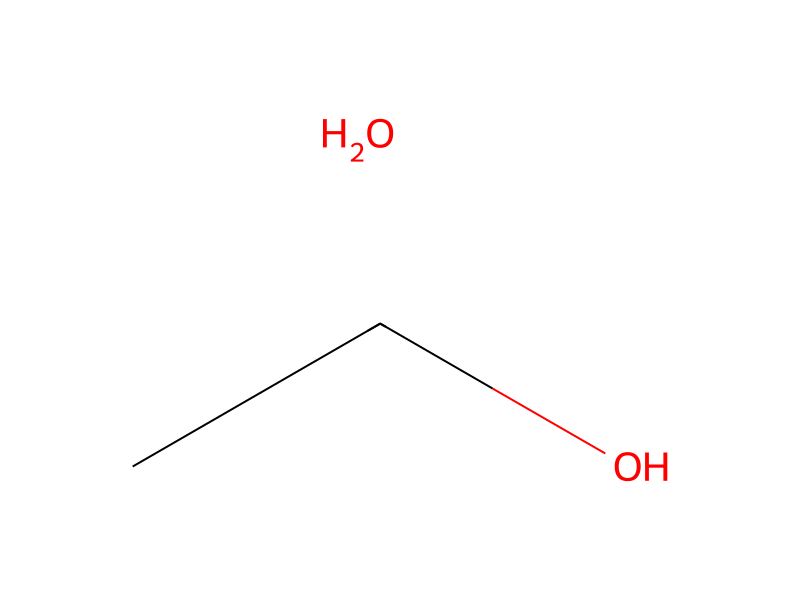
Procedure
A mixture of 5-nitro-6-(2,4-difluorophenylthio)-1-indanone ethylene ketal (580 mg, 1.59 mmol), iron powder (500 mg, 8.9 mmol) and ammonium chloride (50 mg, 0.93 mmol) in 30 mL of ethanol:water (2:1) was refluxed for 1 h. The hot mixture was filtered through celite. The solvente was evaporated in vacuo. The residue was diluted with water and extracted with ethyl acetate. The ethyl acetate extract was dried over anhydrous MgSO4 and concentrated to give the title compound (410 mg, 81%) as a light brown solid. 1H NMR (CDCl3) δ7.95 (s, 1H), 7.00 (m, 1H), 6.80 (m, 2H), 6.72 (s, 1H), 4.95 (br s, 2h), 3.05 (t, 2H), 2.65 (t, 2H).
Workup
- temperaturewas refluxed for 1 h
- filtrationThe hot mixture was filtered through celite
- customThe solvente was evaporated in vacuo
- additionThe residue was diluted with water
- extractionextracted with ethyl acetate
- extractionThe ethyl acetate extract
- dry with materialwas dried over anhydrous MgSO4
- concentrationconcentrated
Sources & evidence
- ORD record
- ord-8e8222c305244f06a7c8890eb29d23ae
- Source dataset
- uspto-grants-2003_04
- Patent number
- USRE038103E1
Reaction notes
Loading…