Ammonium Chloride → HCID 53635909, compound
Reaction equation

[C:1]([O:5][C:6]([N:8]1[CH2:13][CH2:12][N:11]([CH2:14][C:15]2[CH:20]=[CH:19][C:18]([CH3:21])=[C:17]([N+:22]([O-])=O)[CH:16]=2)[CH2:10][CH2:9]1)=[O:7])([CH3:4])([CH3:3])[CH3:2].[NH4+].[Cl-]>CCO.O.[Fe]>[C:1]([O:5][C:6]([N:8]1[CH2:9][CH2:10][N:11]([CH2:14][C:15]2[CH:20]=[CH:19][C:18]([CH3:21])=[C:17]([NH2:22])[CH:16]=2)[CH2:12][CH2:13]1)=[O:7])([CH3:4])([CH3:3])[CH3:2]Participants
5



Procedure
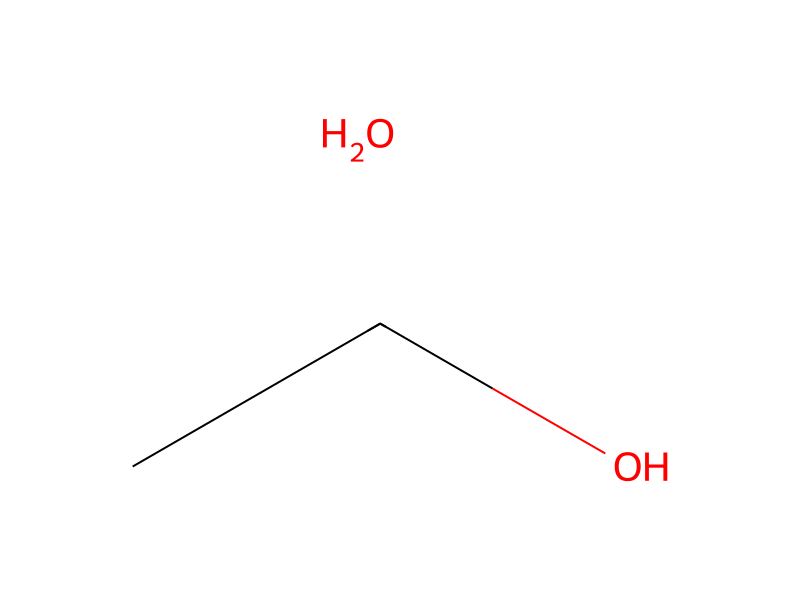
To crude 4-(4-methyl-3-nitro-benzyl)-piperazine-1-carboxylic acid tert-butyl ester (3.5 g) in EtOH/water (60 ml, 1:1) was added iron powder (4 g) and solid NH4Cl (4 g) and the mixture heated to reflux temperature for 1.5 hr. After cooling to room temperature the reaction was filtered through Celite and the filter cake washed with further EtOH. The majority of the solvent was removed in vacuo before addition of ethyl acetate and aqueous K2CO3. The organic layer was separated, washed with brine, dried (Na2SO4) and concentrated, to leave an oil that was triturated with isohexanes to afford a pale brown solid (3 g).
Workup
- temperaturethe mixture heated
- temperatureto reflux temperature for 1.5 hr
- filtrationwas filtered through Celite
- washthe filter cake washed with further EtOH
- customThe majority of the solvent was removed in vacuo before addition of ethyl acetate and aqueous K2CO3
- customThe organic layer was separated
- washwashed with brine
- dry with materialdried (Na2SO4)
- concentrationconcentrated
- customto leave an oil that
- customwas triturated with isohexanes
Sources & evidence
- ORD record
- ord-834f0e3eda3e4930bbac06d6f4b069b9
- Source dataset
- uspto-grants-2003_04
- Patent number
- US06555541B1
Reaction notes
Loading…