HCID 70565949, compound → HCID 20288317, compound
Reaction equation

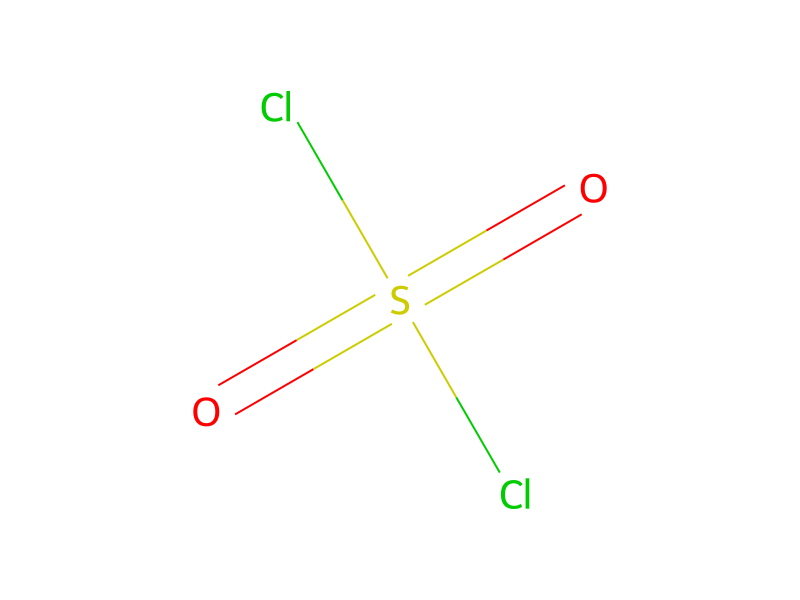
[Cl:1][C:2]1[CH:22]=[CH:21][C:5]([C:6]([NH:8][C@H:9]2[C@H:13]([OH:14])[CH2:12][N:11]([CH:15]3[CH2:20][CH2:19][CH2:18][CH2:17][CH2:16]3)[CH2:10]2)=O)=[CH:4][CH:3]=1>S(Cl)(Cl)(=O)=O>[ClH:1].[Cl:1][C:2]1[CH:22]=[CH:21][C:5]([C:6]2[O:14][C:13]3[CH2:12][N:11]([CH:15]4[CH2:20][CH2:19][CH2:18][CH2:17][CH2:16]4)[CH2:10][C:9]=3[N:8]=2)=[CH:4][CH:3]=1Participants
3
Reactant 1

Product 1

Reagents, catalysts & solvents 1
Procedure
Two grams of trans-4-chloro-N-(1-cyclohexyl-4-hydroxy-3-pyrrolidinyl)benzamide was dissolved in 50 ml of cold (0° C.) sulfonyl chloride; the solution was allowed to warm to room temperature and stirred overnight. Excess sulfonyl chloride was removed at 50° C./60 mm. Fifty milliliters of carbon tetrachloride was added to the residue and then evaporated under vacuum. When acetone was added to the residue, it crystallized to a white solid (quantitative yield). Recrystallization from absolute ethanol gave product, m.p. 303°-304° C.
Workup
- customExcess sulfonyl chloride was removed at 50° C./60 mm
- additionFifty milliliters of carbon tetrachloride was added to the residue
- customevaporated under vacuum
- additionWhen acetone was added to the residue, it
Sources & evidence
- ORD record
- ord-77f7a7b0ef654b508bb026ec1e7951ed
- Source dataset
- uspto-grants-1981_03
- Patent number
- US04254135
Reaction notes
Loading…