NADPH → Skatole
Reaction equation

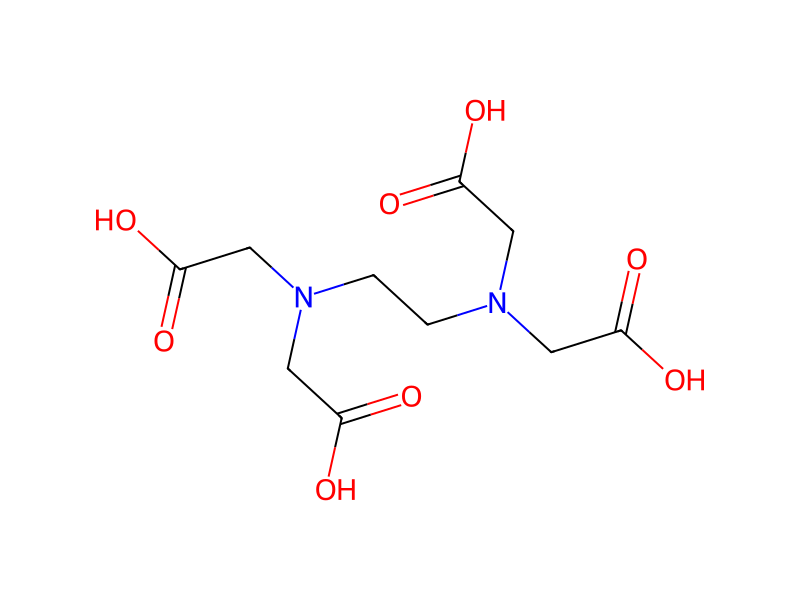
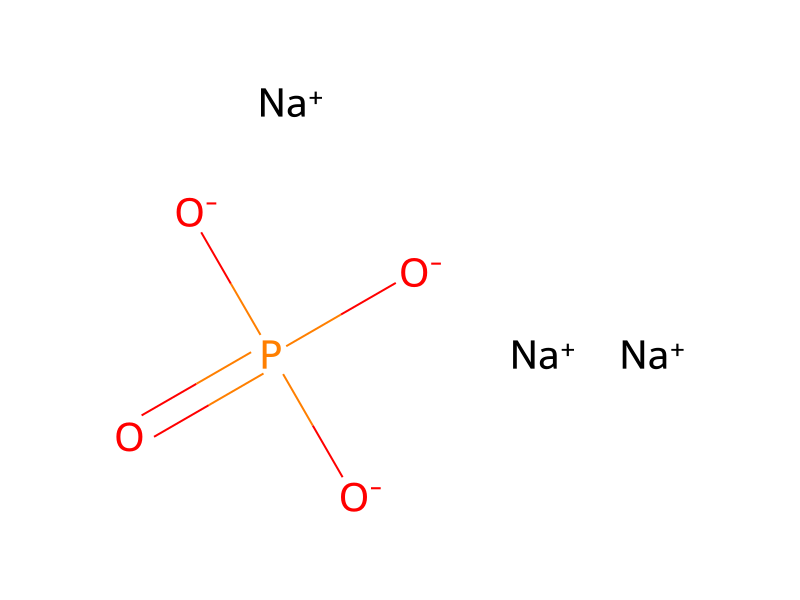
C1N=C(N)C2N=CN([C@@H]3O[C@H](COP(OP(OC[C@H]4O[C@@H:29]([N:31]5[CH:36]=[C:35]([C:37](N)=O)[CH2:34][CH:33]=[CH:32]5)[C@H:28](O)[C@@H:27]4O)(O)=O)(O)=O)[C@@H](O)[C@H]3OP(O)(O)=O)C=2N=1.[Mg+2].[Cl-].[Cl-].C(N(CC(O)=O)CC(O)=O)CN(CC(O)=O)CC(O)=O.C(#N)C>P([O-])([O-])([O-])=O.[Na+].[Na+].[Na+]>[NH:31]1[C:29]2[C:34](=[CH:33][CH:32]=[CH:27][CH:28]=2)[C:35]([CH3:37])=[CH:36]1Participants
Reactant 4



Product 1

Reagents, catalysts & solvents 1
Procedure
Microsomal incubations. Two mg microsomal protein was incubated with 0.4 mM 3MI and 4 mM NADPH in 0.05M sodium phosphate buffer (pH 7.4) containing 5 mM MgCl2 and 1 mM EDTA for 30 min at 37.degree. C. (production of metabolites was determined to be linear over a range of 10 to 40 min). Incubation volumes were 0.5 ml. Reactions were started by the addition of NADPH after 3-minute preincubation periods at 37° C., and stopped with 0.5 ml of ice-cold acetonitrile. Incubations of all 30 samples were run in duplicate and for control incubations NADPH was omitted. After the addition of acetonitrile the mixture was vortexed and centrifuged at 5000 rpm for 20 min. A 50 μl aliquot of the clear supernatant was analyzed by high-performance liquid chromatography (HPLC).
Workup
- customover a range of 10 to 40 min
Sources & evidence
- ORD record
- ord-a70b73ab4ce84406882fac4b0fe6f5d0
- Source dataset
- uspto-grants-2007_04
- Patent number
- US07202035B2
Reaction notes
Loading…