2,5-Dimethoxytetrahydrofuran → 2-Chloro-6-(1H-pyrrol-1-yl)benzonitrile
Reaction equation

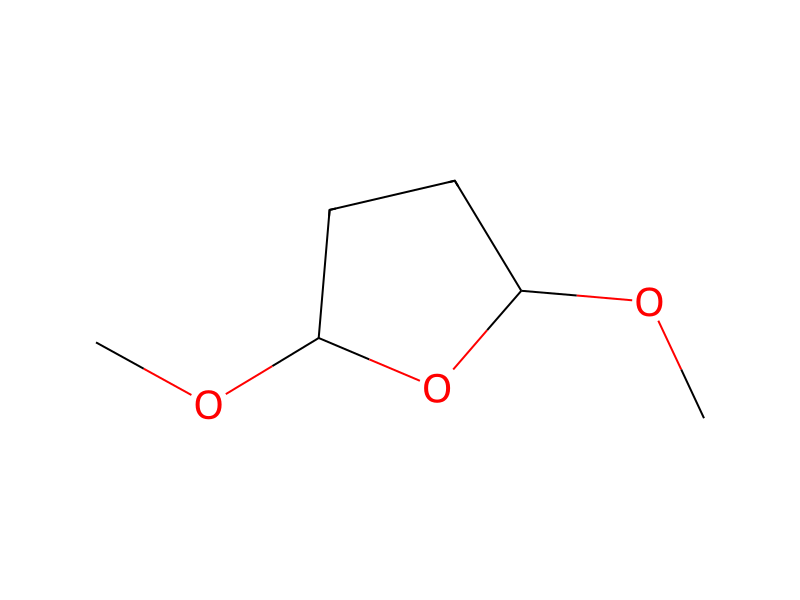
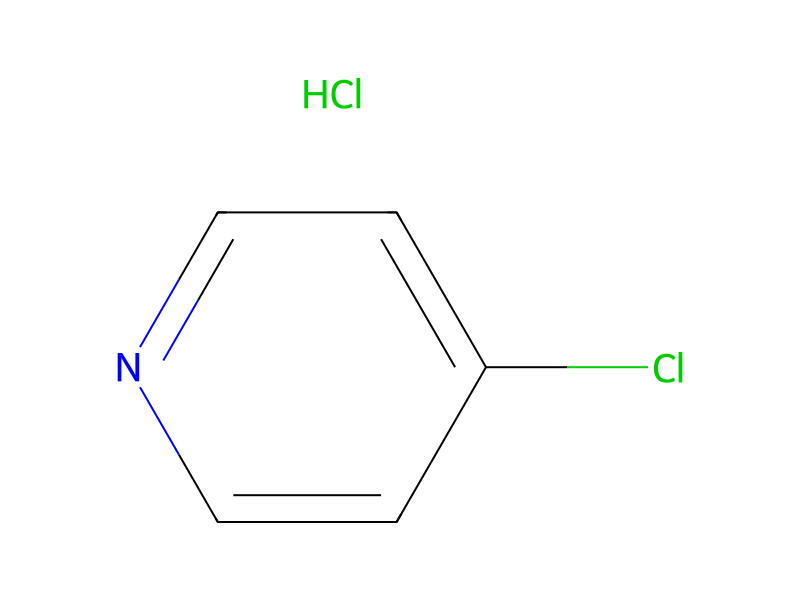
[NH2:1][C:2]1[CH:9]=[CH:8][CH:7]=[C:6]([Cl:10])[C:3]=1[C:4]#[N:5].CO[CH:13]1[CH2:17][CH2:16][CH:15](OC)O1.Cl.ClC1C=CN=CC=1>O1CCOCC1>[Cl:10][C:6]1[C:3]([C:4]#[N:5])=[C:2]([N:1]2[CH:13]=[CH:17][CH:16]=[CH:15]2)[CH:9]=[CH:8][CH:7]=1Participants
5



Procedure
A solution of 2-amino-6-chloro-benzonitrile (30 g), 2,5-dimethoxytetrahydrofuran (30 g) and 4-chloropyridine hydrochloride (17 g) in dioxane was heated to 70° C. for 2.5 h. The solvent was evaporated in vacuo. Dichloromethane was then added to the residue and the spent 4-chloropyridine hydrochloride filtered off. The dichloromethane was evaporated in vacuo to give 1-(3′chloro-2′-cyanophenyl)pyrrole (35 g)
Workup
- customThe solvent was evaporated in vacuo
- additionDichloromethane was then added to the residue
- filtrationthe spent 4-chloropyridine hydrochloride filtered off
- customThe dichloromethane was evaporated in vacuo
Sources & evidence
- ORD record
- ord-01fa8400f3c247c68f02e9bdb1e7435d
- Source dataset
- uspto-grants-2007_04
- Patent number
- US07202240B2
Reaction notes
Loading…