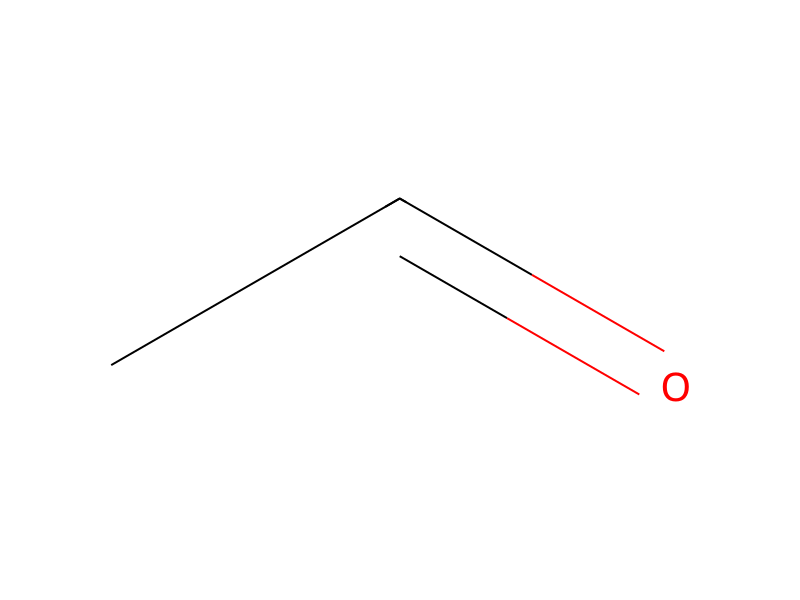
Acetaldehyde → Acetaldehyde
Reaction equation

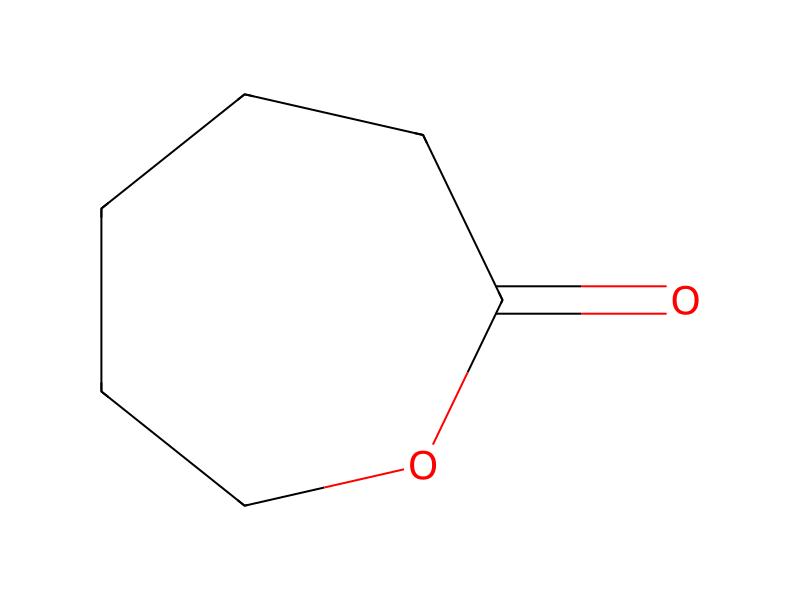
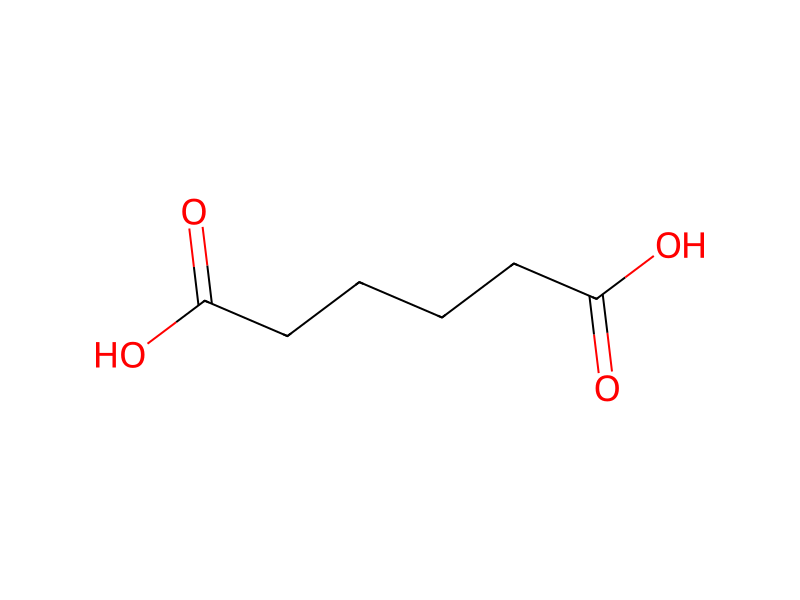
[CH:1](=[O:3])[CH3:2].[O:4]=[O:5].[C:6]1(=[O:13])[O:12][CH2:11][CH2:10][CH2:9][CH2:8][CH2:7]1>C1(=O)CCCCC1.C(OCC)(=O)C.[Co]>[C:6]1(=[O:13])[CH2:7][CH2:8][CH2:9][CH2:10][CH2:11]1.[C:1]([O:4][OH:5])(=[O:3])[CH3:2].[CH:11](=[O:12])[CH3:10].[C:6]([OH:12])(=[O:13])[CH2:7][CH2:8][CH2:9][CH2:2][C:1]([OH:4])=[O:3]Participants
10




Conditions
- Temperature
- 40 °C
Procedure
450 g of cyclohexanone, 1160 g of ethyl acetate used as a solvent and 0.08 g cobalt naphthanate containing 6% of Co as a catalyst were introduced in a batchwise type reactor of 2 liters. 360 g of acetaldehyde were then dropped therein for 5 hours and the reaction temperature was maintained at 40° C. 2.2 liter/hour of oxygen gas was introduced from the beginning of the acetaldehyde dropping until one hour after the end of the dropping. The composition of the solution obtained was ε-caprolactone: 10.4%, unreacted cyclohexanone: 11.7%, unreacted peracetic acid: 13.8%, unreacted acetaldehyde: 8.4%, by-produced adipic acid: 0.3%, caprolactone polymers: 0.50%, acetic acid: 21.16% and ethyl acetate which was the solvent: 55.0%.
Workup
- additionwere introduced in a batchwise type reactor of 2 liters
- customThe composition of the solution obtained
Sources & evidence
- ORD record
- ord-7c2621a2f5964a79ab5ca916847c2a89
- Source dataset
- uspto-grants-2000_12
- Patent number
- US06156910
Reaction notes
Loading…