Pyridine → HCID 22115876, compound
Reaction equation

[NH2:1][C:2]1[N:7]=[C:6]([CH3:8])[C:5]([C:9]2[CH:18]=[CH:17][C:12]([C:13]([O:15][CH3:16])=[O:14])=[CH:11][CH:10]=2)=[CH:4][CH:3]=1.N1C=CC=CC=1.[Cl:25][CH2:26][CH2:27][CH2:28][C:29](Cl)=[O:30].C([O-])([O-])=O.[Na+].[Na+]>ClCCl>[Cl:25][CH2:26][CH2:27][CH2:28][C:29]([NH:1][C:2]1[N:7]=[C:6]([CH3:8])[C:5]([C:9]2[CH:18]=[CH:17][C:12]([C:13]([O:15][CH3:16])=[O:14])=[CH:11][CH:10]=2)=[CH:4][CH:3]=1)=[O:30]Participants
6
Reactant 4


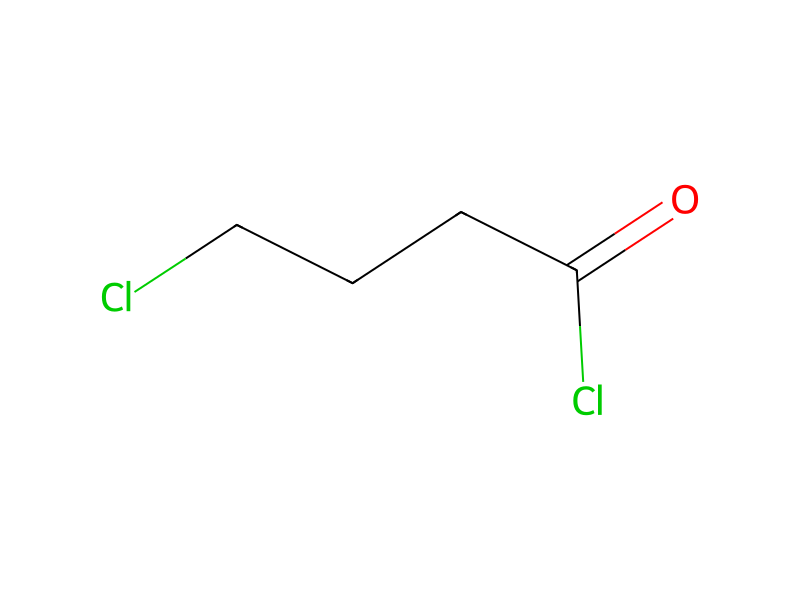

Product 1

Reagents, catalysts & solvents 1

Conditions
- Temperature
- 25 °C
Procedure
A stirred suspension of methyl 4-(6-amino-2-methylpyridin-3-yl)benzoate (D7, 1.0 g, 4.1 mmole) in dichloromethane (80 ml) was treated with pyridine (0.66 ml, 8.2 mmole), followed by 4-chlorobutyryl chloride (0.47 ml, 4.3 mmole). The resulting solution was stirred at 25° C. for 2 h, then treated with 5% Na2CO3 solution and after 30 minutes, the organic layer was separated, dried (Na2SO4) and concentrated in vacuo to leave a pale yellow solid. This was recrystallised from ethyl acetate/60-80 petrol to afford the title compound as a beige solid (1.13 g, 80%).
Workup
- customthe organic layer was separated
- dry with materialdried (Na2SO4)
- concentrationconcentrated in vacuo
- customto leave a pale yellow solid
- customThis was recrystallised from ethyl acetate/60-80 petrol
Sources & evidence
- ORD record
- ord-942bdf375eea4f58a4d617dcd9db4c38
- Source dataset
- uspto-grants-2000_12
- Patent number
- US06166034
Reaction notes
Loading…