Formaldehyde → 6-Benzyloxy-3-methylene-4-chromanone
Reaction equation

[CH2:1]([O:8][C:9]1[CH:10]=[C:11]2[C:16](=[CH:17][CH:18]=1)[O:15][CH2:14][CH2:13][C:12]2=[O:19])[C:2]1[CH:7]=[CH:6][CH:5]=[CH:4][CH:3]=1.Cl.[CH3:21]NC.C=O>C(O)(=O)C>[CH2:1]([O:8][C:9]1[CH:10]=[C:11]2[C:16](=[CH:17][CH:18]=1)[O:15][CH2:14][C:13](=[CH2:21])[C:12]2=[O:19])[C:2]1[CH:3]=[CH:4][CH:5]=[CH:6][CH:7]=1Participants
5
Reactant 3

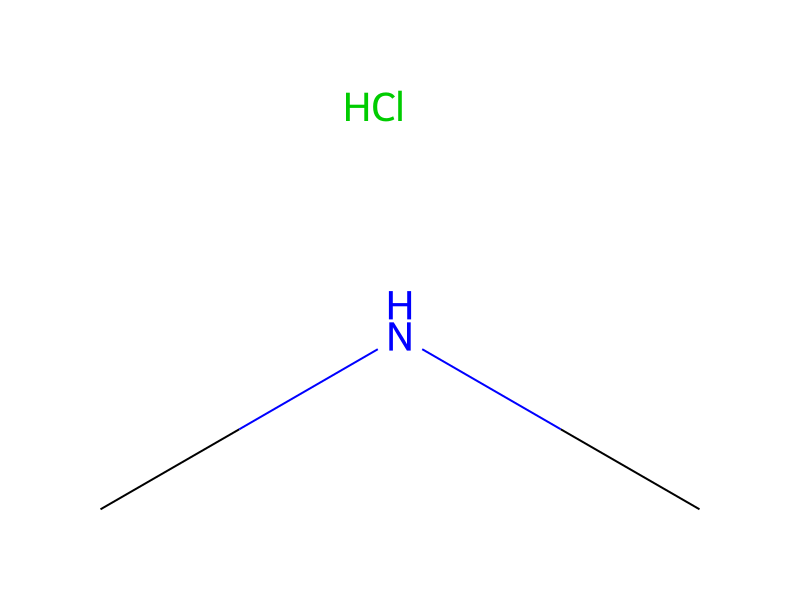

Product 1

Reagents, catalysts & solvents 1

Procedure
A solution of 9.2 g of 6-benzyloxy-4-chromanone, dimethylamine hydrochloride and 1.3 g of paraformaldehyde in 100 ml of acetic acid was heated on a steam bath for 5 hours. The volatiles were evaporated in vacuo and the residue was purified on silica gel, eluting with CH2Cl2, to give 3.7 g of product, Rf (CH2Cl2)=0.5.
Workup
- customThe volatiles were evaporated in vacuo
- customthe residue was purified on silica gel
- washeluting with CH2Cl2
Sources & evidence
- ORD record
- ord-987da6e8538a495581d20a1e7063812c
- Source dataset
- uspto-grants-2000_12
- Patent number
- US06166031
Reaction notes
Loading…