Dichloromethane → HCID 178501988, compound
Reaction equation

[NH2:1][C:2]1[N+:7]([O-:8])=[C:6]([NH2:9])[CH:5]=[C:4]([N:10]2[CH2:15][CH:14]=[CH:13][CH2:12][CH2:11]2)[N:3]=1.C(Cl)Cl.[CH3:19][O:20][C:21](Cl)=[O:22]>C(N(CC)CC)C>[N:10]1([C:4]2[N:3]=[C:2]([NH:1][C:21]([O:20][CH3:19])=[O:22])[N+:7]([O-:8])=[C:6]([NH:9][C:21]([O:20][CH3:19])=[O:22])[CH:5]=2)[CH2:11][CH:12]=[CH:13][CH2:14][CH2:15]1Participants
5
Reactant 3

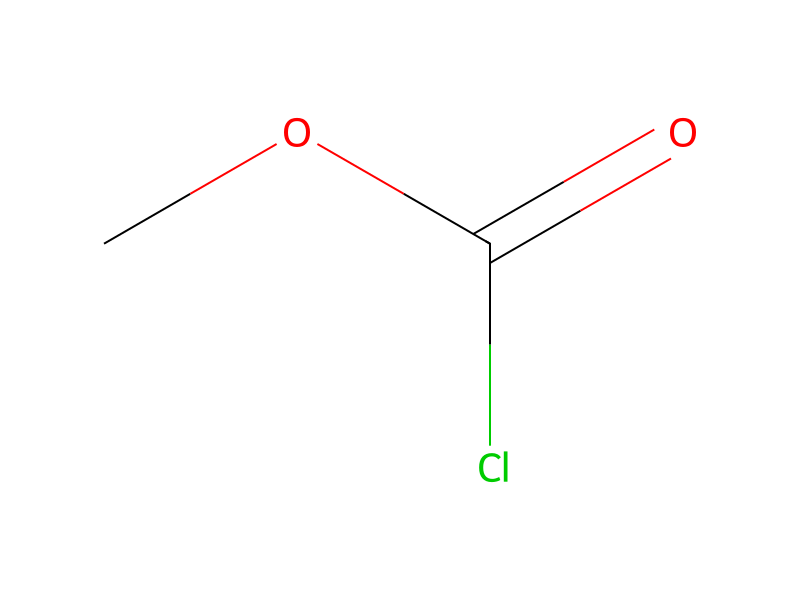

Product 1

Reagents, catalysts & solvents 1

Procedure
45 G. of 2,4-diamino-6-[3,6-dihydro-1(2H)-pyridyl]pyrimidine-3-oxide are mixed in 600 ml. of methylene chloride with 90 ml. of triethylamine and cooled to 5° C. 90 Ml. of chloroformic acid methyl ester are added dropwise while stirring. The mixture is stirred at 5° C. for 30 minutes and at room temperature for 18 hours. Then, the mixture is treated with 100 ml. of methanol and subsequently extracted with 400 ml. of methylene chloride, washed with water, dried over sodium sulfate and evaporated under reduced pressure. Recrystallization of the residue from methanol yields dimethyl 6-[3,6-dihydro-1(2H)-pyridyl]-2,4-pyrimidinedicarbamate-3-oxide having a melting point of 202°-203° C.
Workup
- stirringThe mixture is stirred at 5° C. for 30 minutes and at room temperature for 18 hours
- additionThen, the mixture is treated with 100 ml
- extractionof methanol and subsequently extracted with 400 ml
- washof methylene chloride, washed with water
- dry with materialdried over sodium sulfate
- customevaporated under reduced pressure
- customRecrystallization of the residue from methanol
Sources & evidence
- ORD record
- ord-c318d38589de4129a587ded42e572fb2
- Source dataset
- uspto-grants-1981_03
- Patent number
- US04256886
Reaction notes
Loading…