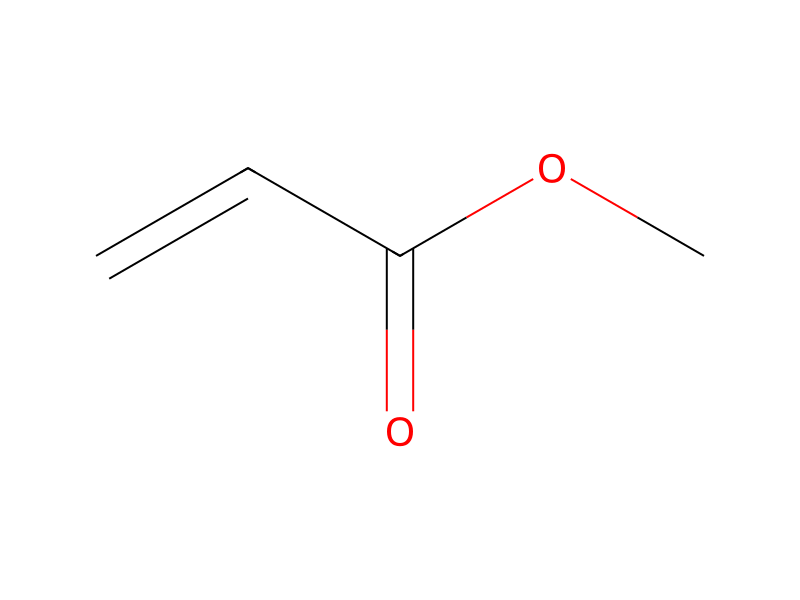
Methyl Acrylate → HCID 23453657, compound
Reaction equation

[N+:1]([CH:4]1[CH:9]([C:10]2[CH:15]=[CH:14][CH:13]=[CH:12][CH:11]=2)[CH:8]2[CH2:16][CH2:17][CH:5]1[CH:6]=[CH:7]2)([O-:3])=[O:2].[C:18]([O:22][CH3:23])(=[O:21])[CH:19]=[CH2:20].O1CCOCC1>C(O)(C)(C)C>[N+:1]([C:4]1([CH2:20][CH2:19][C:18]([O:22][CH3:23])=[O:21])[CH:9]([C:10]2[CH:15]=[CH:14][CH:13]=[CH:12][CH:11]=2)[CH:8]2[CH2:16][CH2:17][CH:5]1[CH:6]=[CH:7]2)([O-:3])=[O:2]Participants
5
Reactant 3


Product 1

Reagents, catalysts & solvents 1

Procedure
Variant B: 0.18 mole of 2-nitro-3-phenyl-bicyclo[2.2.2]-oct-5-ene, 0.18 mole of methyl acrylate and 3.8 ml of Triton B in 50 ml of tert.-butanol and stirred for 24 hours, a further 0.18 mole of methyl acrylate and 70 mlof dioxan are then added and the mixture is heated to the reflux temperature for 24 hours. After cooling, the reaction mixture crystallizes. A little ethanol is added, the mixture is neutralized with 2N hydrochloric acid and the crystal sludge is filtered. Recrystallization of the crystals from isopropanol with the addition of animal charcoal gives crystals of melting point 127°-131° C.
Workup
- temperaturethe mixture is heated to the reflux temperature for 24 hours
- temperatureAfter cooling
- customthe reaction mixture crystallizes
- additionA little ethanol is added
- filtrationthe crystal sludge is filtered
- customRecrystallization of the crystals from isopropanol
- additionwith the addition of animal charcoal
- customgives crystals of melting point 127°-131° C.
Sources & evidence
- ORD record
- ord-7db12d63af234c1db5f3de3381db0fdc
- Source dataset
- uspto-grants-1981_07
- Patent number
- US04277470
Reaction notes
Loading…