Hydrochloric Acid → HCID 12922651, compound
Reaction equation

[F:1][C:2]1[CH:7]=[CH:6][C:5]([CH2:8][NH:9][C:10]2[CH:15]=[CH:14][C:13]([S:16]([O-:19])(=[O:18])=[O:17])=[CH:12][CH:11]=2)=[CH:4][CH:3]=1.[Na+].[OH-].[Na+].[Cl:23][C:24]1[CH:31]=[CH:30][C:27]([CH2:28]Cl)=[CH:26][CH:25]=1.Cl>O.C(OCC)C>[Cl:23][C:24]1[CH:31]=[CH:30][C:27]([CH2:28][N:9]([CH2:8][C:5]2[CH:4]=[CH:3][C:2]([F:1])=[CH:7][CH:6]=2)[C:10]2[CH:15]=[CH:14][C:13]([S:16]([OH:19])(=[O:17])=[O:18])=[CH:12][CH:11]=2)=[CH:26][CH:25]=1Participants
7

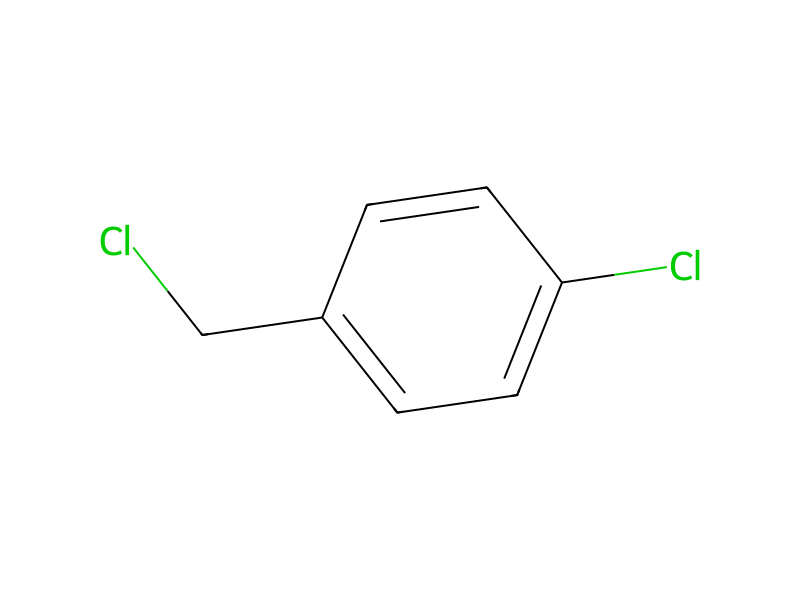





Conditions
- Temperature
- 85 °C
Procedure
A mixture of 16.0 g (0.053 mole) of sodium 4-(((4-fluorophenyl)methyl)amino)benzenesulfonate in 200 ml of water, 4.5 g (0.053 mole) of 50 percent sodium hydroxide and 9.75 g (0.06 mole) of 4-chlorobenzyl chloride was stirred at about 85° C. for 20 hours. The reaction mixture was cooled and then treated with diethyl ether. The aqueous layer was heated and acidified with concentrated hydrochloric acid. A light tan powder precipitated. Recrystallization gave the product 4-(((4-chlorophenyl)methyl)((4-fluorophenyl)-methyl)amino)benzenesulfonic acid having a melting point greater than 250° C.
Workup
- temperatureThe reaction mixture was cooled
- temperatureThe aqueous layer was heated
- customA light tan powder precipitated
- customRecrystallization
Sources & evidence
- ORD record
- ord-3b78d732c9eb43bcac9314c7143be312
- Source dataset
- uspto-grants-1981_07
- Patent number
- US04277492
Reaction notes
Loading…