Cyclohexanone → N-cyclohexylidene-(2-methylpropenylamine)
Reaktionsgleichung

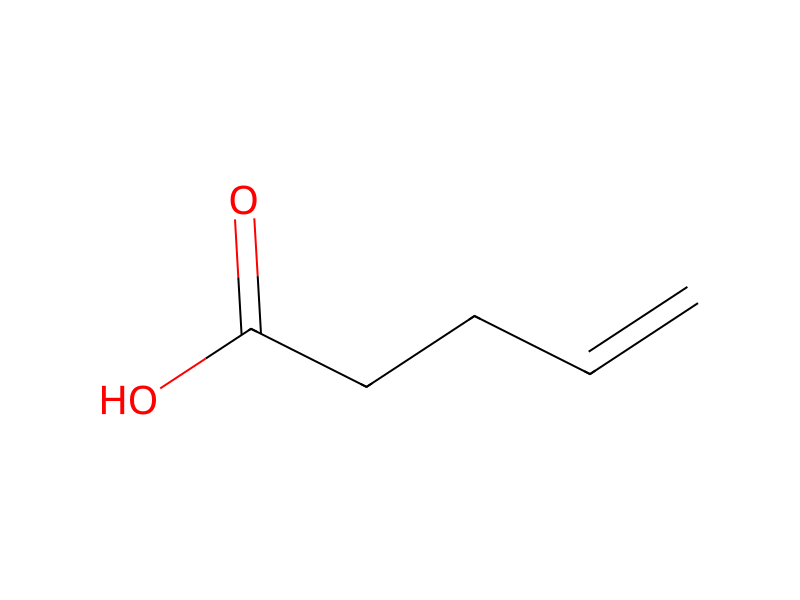
C=CCCC(O)=O.[C:8]1(=O)[CH2:13][CH2:12][CH2:11][CH2:10][CH2:9]1.[CH2:15]([NH2:19])[C:16](=[CH2:18])[CH3:17]>>[C:8]1(=[N:19][CH:15]=[C:16]([CH3:18])[CH3:17])[CH2:13][CH2:12][CH2:11][CH2:10][CH2:9]1Komponenten
4



Versuchsvorschrift
The procedure described in Example (1a) is repeated, except that 302.5 g (2 mols) of N-cyclohexylidene-(2-methypropenylamine) and 250 g (4.62 mols) of 1,3-butadiene are used. Distillation yields 382 g (1.48 mols) of 3,3-dimethyl-12,12-pentamethylene-1-aza-1,5,9-cyclododecatriene; boiling point 96° C./4 Pa; nD20 =1.5116. The N-cyclohexylidene-(2-methylpropenylamine) was prepared from cyclohexanone and methallylamine, with subsequent isomerisation of the reaction product with potassium tert.-butylate; boiling point 96° C./1,700 Pa; nD20 =1.5160.
Quellen und Nachweise
- ORD-Eintrag
- ord-d04fa5e8ca0a49d1a386b6da0368ebf0
- Quelldatensatz
- uspto-grants-1981_07
- Patentnummer
- US04277621
Notizen zur Reaktion
Wird geladen…