Potassium Carbonate → HCID 23452870, compound
Reaction equation

[CH3:1][O:2][C:3](=[O:18])[C:4]1[CH:13]=[C:12]([OH:14])[CH:11]=[C:6]([C:7]([O:9][CH3:10])=[O:8])[C:5]=1[N+:15]([O-:17])=[O:16].C(=O)([O-])[O-].[K+].[K+].[C:25]([O:29][C:30](=[O:33])[CH2:31]Br)([CH3:28])([CH3:27])[CH3:26]>CC(C)=O>[C:25]([O:29][C:30](=[O:33])[CH2:31][O:14][C:12]1[CH:11]=[C:6]([C:7]([O:9][CH3:10])=[O:8])[C:5]([N+:15]([O-:17])=[O:16])=[C:4]([C:3]([O:2][CH3:1])=[O:18])[CH:13]=1)([CH3:28])([CH3:27])[CH3:26]Participants
5
Reactant 3

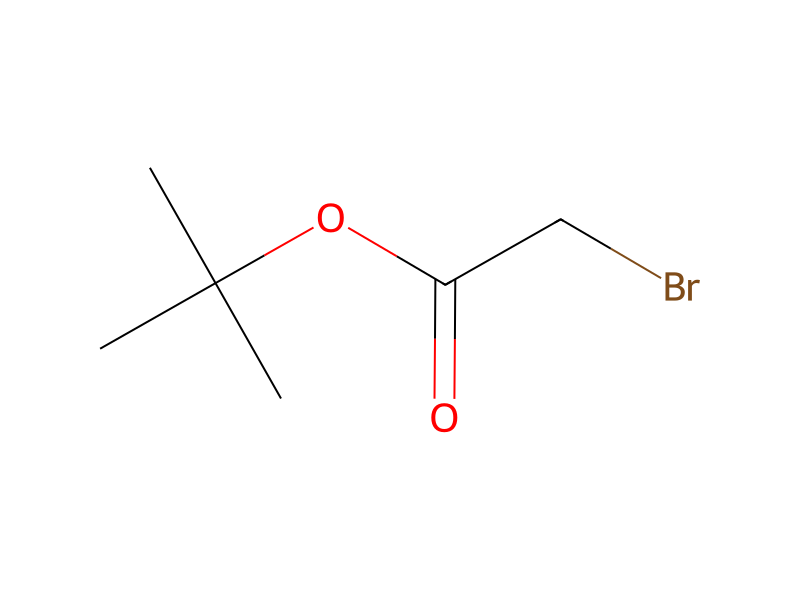

Product 1

Reagents, catalysts & solvents 1

Procedure
To a solution of 2.55 g. of dimethyl-5-hydroxy-2-nitroisophthalate (prepared as in Example 15, Part B) in 25 ml. of acetone is added 0.69 g. of anhydrous potassium carbonate, followed by 1.95 g. of tert-butylbromoacetate. The mixture is stirred and refluxed for 20 hr. After this time, the cooled reaction mixture is poured with rapid stirring into 200 ml. of ice-cold 1% hydrochloric acid. The solid is collected and washed well with water. Yield 3.4 g.; m.p. 106°-108° C.
Workup
- temperaturerefluxed for 20 hr
- customAfter this time, the cooled reaction mixture
- additionis poured
- stirringwith rapid stirring into 200 ml
- customThe solid is collected
- washwashed well with water
Sources & evidence
- ORD record
- ord-ec4069ba697f46c0be11723c2de61a46
- Source dataset
- uspto-grants-1981_07
- Patent number
- US04278598
Reaction notes
Loading…