Propylene Oxide → Ethyl 5,8-dichloroimidazo-[1,2-a]-quinoline-2-carboxylate
Reaction equation

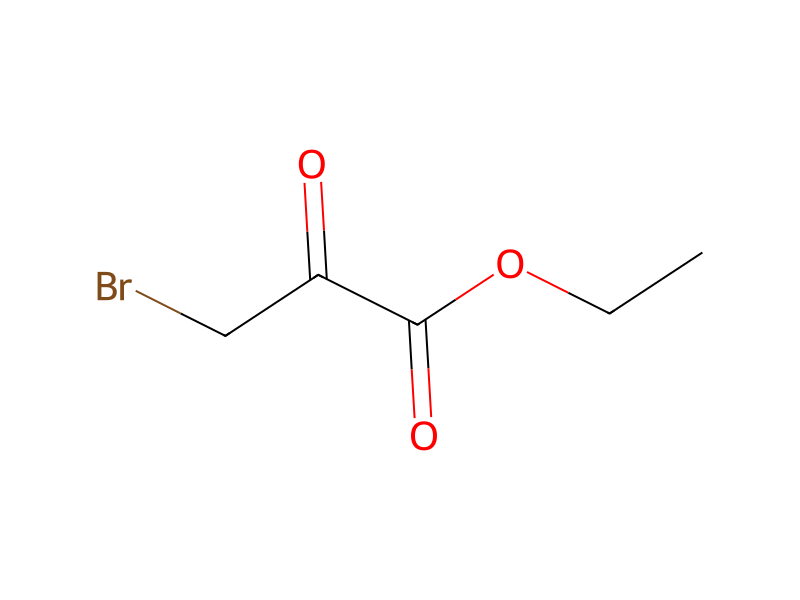
[NH2:1][C:2]1[CH:11]=[C:10]([Cl:12])[C:9]2[C:4](=[CH:5][C:6]([Cl:13])=[CH:7][CH:8]=2)[N:3]=1.Br[CH2:15][C:16](=O)[C:17]([O:19][CH2:20][CH3:21])=[O:18].C1OC1C>C(COC)OC>[Cl:12][C:10]1[C:9]2[C:4](=[CH:5][C:6]([Cl:13])=[CH:7][CH:8]=2)[N:3]2[CH:15]=[C:16]([C:17]([O:19][CH2:20][CH3:21])=[O:18])[N:1]=[C:2]2[CH:11]=1Participants
5
Reactant 3


Product 1

Reagents, catalysts & solvents 1

Procedure
1.8 g of 2-amino-4,7-dichloroquinoline [Hardman and Partridge J.C.S. (1958) p. 641] were reacted with 2.1 g of ethyl bromopyruvate in 60 ml of dimethoxyethane in the presence of 0.7 g of propylene oxide by the method of Example 9 to obtain ethyl 5,8-dichloroimidazo-[1,2-a]-quinoline-2-carboxylate as fine colorless needles melting at 229°-230° C.
Sources & evidence
- ORD record
- ord-eea6977d94a749b6a02e0958c08d254b
- Source dataset
- uspto-grants-1981_07
- Patent number
- US04279912
Reaction notes
Loading…