Hydrochloric Acid → HCID 12766252, compound
Reaction equation

[N:1]1[CH:6]=[CH:5][CH:4]=[C:3]([C:7]2[N:12]3[N:13]=[CH:14][C:15]([C:16]([O:18]CC)=[O:17])=[C:11]3[N:10]=[CH:9][CH:8]=2)[CH:2]=1.[OH-].[K+].Cl>C(O)C.O>[N:1]1[CH:6]=[CH:5][CH:4]=[C:3]([C:7]2[N:12]3[N:13]=[CH:14][C:15]([C:16]([OH:18])=[O:17])=[C:11]3[N:10]=[CH:9][CH:8]=2)[CH:2]=1Participants
5
Reactant 3



Product 1

Reagents, catalysts & solvents 1
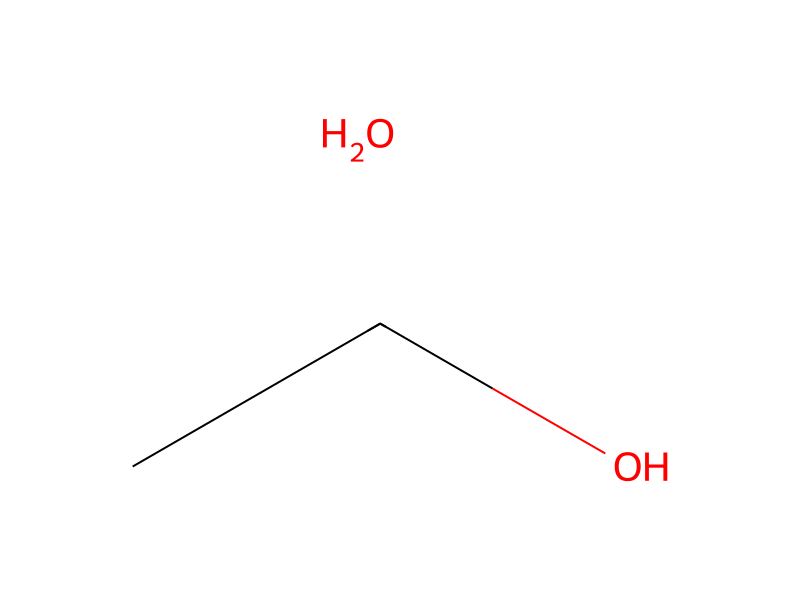
Procedure
A mixture of 0.10 mole of ethyl 7-(3-pyridyl)pyrazolo[1,5-a]pyrimidine-3-carboxylate and 0.50 mole of potassium hydroxide in 50 ml. of ethanol-water (9:1) is heated at reflux temperature for 4 hours. The mixture is brought to pH 7 with concentrated hydrochloric acid, concentrated and filtered to give 7-(3-pyridyl)pyrazolo[1,5-a]pyrimidine-3-carboxylic acid. The preceding product in tetrahydrofuran is added dropwise to a solution of 0.2 mole of diborane in tetrahydrofuran chilled in an ice bath. The mixture is stirred for one hour and the bath removed. After standing 16 hours at room temperature the mixture is poured onto ice to give the product of the example.
Workup
- temperatureat reflux temperature for 4 hours
- concentrationconcentrated
- filtrationfiltered
Sources & evidence
- ORD record
- ord-87c4bc5e21b949faaee092b0340ba010
- Source dataset
- uspto-grants-1981_07
- Patent number
- US04281000
Reaction notes
Loading…