Hydrochloric Acid → 7-(3-Thienyl)pyrazolo[1,5-a]pyrimidine-3-carboxylic acid
Reaction equation

[S:1]1[CH:5]=[CH:4][C:3]([C:6]2[N:11]3[N:12]=[CH:13][C:14]([C:15]([O:17]CC)=[O:16])=[C:10]3[N:9]=[CH:8][CH:7]=2)=[CH:2]1.[OH-].[K+].Cl>C(O)C.O>[S:1]1[CH:5]=[CH:4][C:3]([C:6]2[N:11]3[N:12]=[CH:13][C:14]([C:15]([OH:17])=[O:16])=[C:10]3[N:9]=[CH:8][CH:7]=2)=[CH:2]1Participants
5




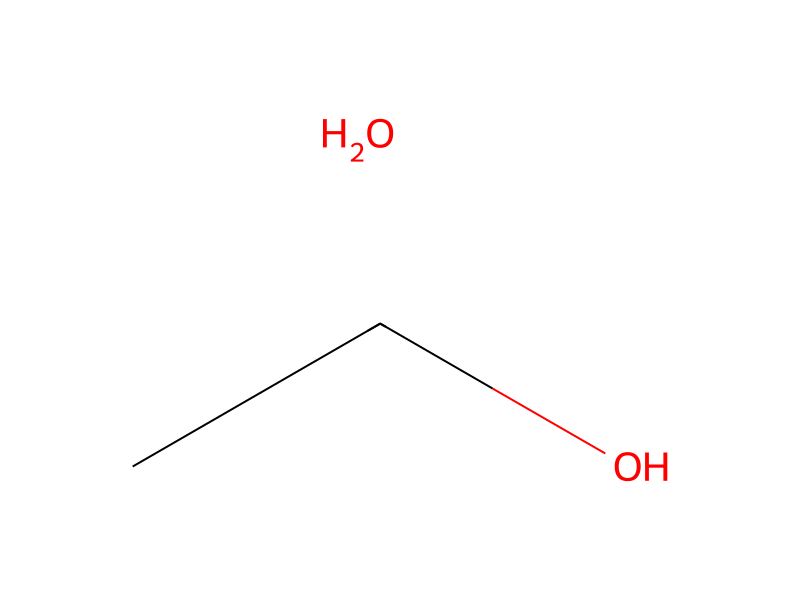
Procedure
A mixture of 0.05 mole of ethyl 7-(3-thienyl)pyrazolo[1,5-a]pyrimidine-3-carboxylate and 0.20 mole of potassium hydroxide in 50 ml. of ethanol-water is heated at reflux temperature for 4 hours. The mixture is acidified with concentrated hydrochloric acid and concentrated to give 7-(3-thienyl)pyrazolo[1,5-a]pyrimidine-3-carboxylic acid. The preceding compound in tetrahydrofuran is added dropwise to a solution of 0.10 mole of diborane in tetrahydrofuran chilled in an ice bath. After stirring for 2 hours the bath is removed and the mixture allowed to stand 6 hours at room temperature. The mixture is poured into ice to give the product of the example.
Workup
- temperatureat reflux temperature for 4 hours
- concentrationconcentrated
Sources & evidence
- ORD record
- ord-c6d8bc888b464ffea19276e28f12d264
- Source dataset
- uspto-grants-1981_07
- Patent number
- US04281000
Reaction notes
Loading…