Methyl iodide → 5-Methyl-5,6-dihydroindeno[2,1-b]indole
Reaction equation

[OH-].[Na+].[CH:3]1[CH:11]=[CH:10][CH:9]=[C:8]2[C:4]=1[C:5]1[C:18]3[C:13](=[CH:14][CH:15]=[CH:16][CH:17]=3)[CH2:12][C:6]=1[NH:7]2.[CH3:19]I>[Br-].C[N+](C)(C)CCCCCCCCCCCCCCCC.C1C=CC=CC=1>[CH3:19][N:7]1[C:8]2[C:4](=[CH:3][CH:11]=[CH:10][CH:9]=2)[C:5]2[C:18]3[C:13]([CH2:12][C:6]1=2)=[CH:14][CH:15]=[CH:16][CH:17]=3Participants
6





Procedure
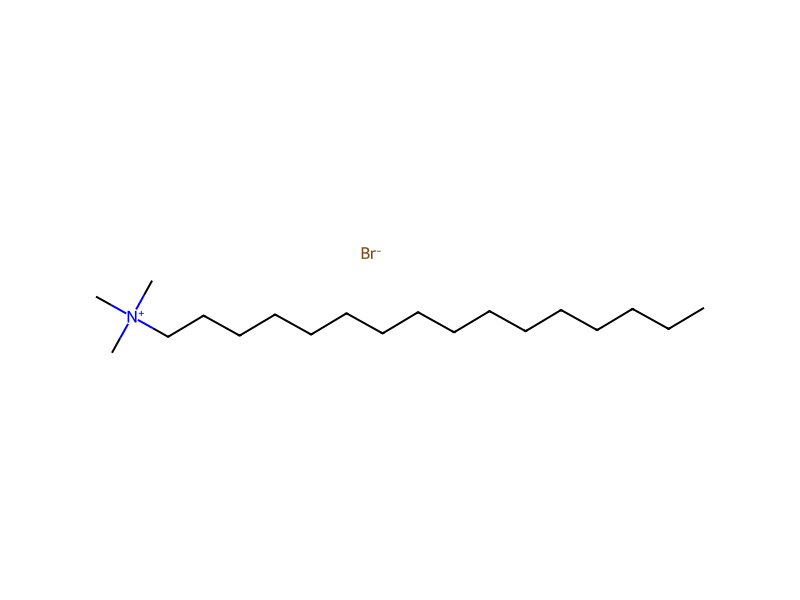
In a 0.5 l bulb were placed 100 ml 50% aqueous NaOH, 100 ml benzene, 6.1 g (28 mmol)of 5,6-dihydroindeno[2,1-b]indole, prepared in Example 4, 1.8 ml (28 mmol) of MeI and 0.5 g of trimethylcetylammonium bromide. After having stirred the obtained mixture for 2 hours, the formation of an organic phase was observed; said phase was separated, washed twice with water (100 ml) and dried over Na2SO4. After removal of the solvent, the residue was recrystallized from ethanol, obtaining 4.8 g of N-methyl-5,6-dihydroindeno[2,1-b]indole (yield=78%).
Workup
- customwas separated
- washwashed twice with water (100 ml)
- dry with materialdried over Na2SO4
- customAfter removal of the solvent
- customthe residue was recrystallized from ethanol
Sources & evidence
- ORD record
- ord-e5eded4ba45a4b619e3d24c9e918ebc9
- Source dataset
- uspto-grants-2002_09
- Patent number
- US06451724B1
Reaction notes
Loading…