3,4-Dimethoxy-6-nitrobenzamide → 2-Amino-4,5-dimethoxybenzamide
Reaction equation

[CH3:1][O:2][C:3]1[C:11]([O:12][CH3:13])=[CH:10][C:6]([C:7]([NH2:9])=[O:8])=[C:5]([N+:14]([O-])=O)[CH:4]=1.[BH4-].[Na+]>S([O-])([O-])(=O)=O.[Cu+2]>[CH3:1][O:2][C:3]1[C:11]([O:12][CH3:13])=[CH:10][C:6]([C:7]([NH2:9])=[O:8])=[C:5]([NH2:14])[CH:4]=1Participants
4
Reactant 2


Product 1

Reagents, catalysts & solvents 1
Procedure
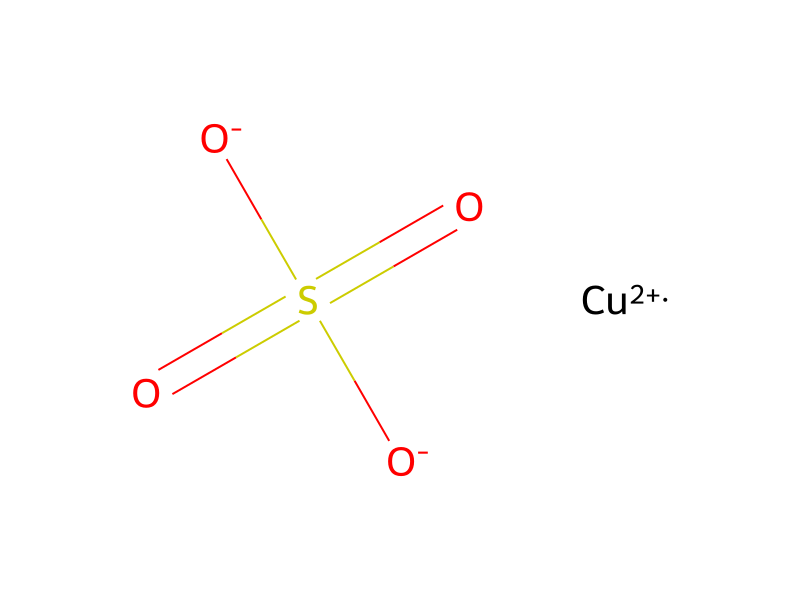
4,5-Dimethoxy-2-nitrobenzoic acid (3) was treated with thionyl chloride and then reacted with ammonia to give 4,5-dimethoxy-2-nitrobenzamide (4) as described by F. Nomoto et al. Chem. Pharm. Bull., 1990, 38, 1591-1595. The nitro group in compound (4) was reduced with sodium borohydride in the presence of copper sulfate (see C. L. Thomas, Catalytic Processes and Proven Catalysts, Academic Press, New York (1970)) to give 4,5-dimethoxy-2-aminobenzamide (5) which was cyclized by refluxing with formic acid to give 6,7-dimethoxyquinazoline-4(3H)-one (6). Compound (6) was refluxed with phosphorus oxytrichloride to provide the common synthetic precursor (7).
Sources & evidence
- ORD record
- ord-60e3a005191e442ba79a5a2eb04d95df
- Source dataset
- uspto-grants-2002_09
- Patent number
- US06452005B1
Reaction notes
Loading…