Sodium Carbonate → HCID 57016808, compound
Reaction equation

[Br:1][C:2]1[N:6]([C@H:7]2[C@H:12]([O:13]C(=O)C)[C@H:11]([O:17]C(=O)C)[C@@H:10]([CH2:21][O:22]C(=O)C)[O:9][CH2:8]2)[C:5]2[CH:26]=[C:27]([Cl:31])[C:28]([Cl:30])=[CH:29][C:4]=2[N:3]=1.CO.C(O)C.C(=O)([O-])[O-].[Na+].[Na+].CO.C(Cl)(Cl)Cl>O.C(O)(=O)C>[Br:1][C:2]1[N:6]([C@H:7]2[C@H:12]([OH:13])[C@H:11]([OH:17])[C@@H:10]([CH2:21][OH:22])[O:9][CH2:8]2)[C:5]2[CH:26]=[C:27]([Cl:31])[C:28]([Cl:30])=[CH:29][C:4]=2[N:3]=1Participants





Procedure
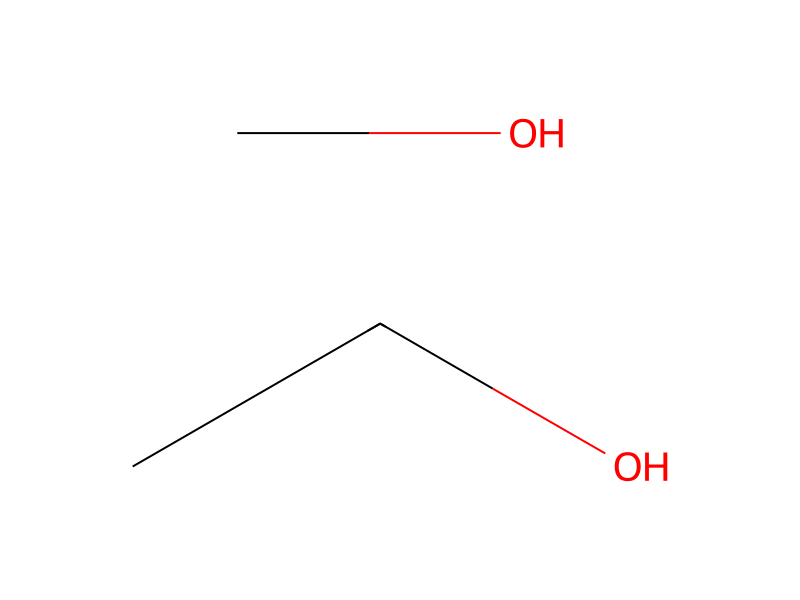
(3R,4S,5S,6R)-2-Bromo-5,6-dichloro-1-(4,5-diacetoxy-6-(acetoxymethyl)tetrahydro-2H-pyran-3-yl)-1H-benzimidazole (part e of this example, 0.810 g, 1.53 mmol) was dissolved in 1:1 methanol-ethanol (100 ML) and treated with a solution of sodium carbonate (0.163 g, 1.53 mmol) in water (10 ML). After 0.5 h at room temperature, TLC analysis indicated a single new spot (silica gel, 10% methanol-chloroform). The pH was then adjusted to 5 with glacial acetic acid and the solvents evaporated in vacuo. The residual solid was slurried in water until the solids were free-flowing, then suction-filtered and dried overnight in vacuo affording the title compound as a white solid (0.510 g, 81%); m.p. 207-209° C.; [α]20D−162° (c 0.26, EtOH); 1H-NMR (DMSO-d6, 200 MHz) δ: 8.30, 8.28 (s, each 1H), 5.26 (d, J=5.5 Hz, 1H), 5.13 (d, J=4.2 Hz, 1H), 5.05 (t, J=4.7 Hz, 1H), 5.04 (m, 1H), 4.78 (m, 1H), 4.33-4.00 (m, 3H), 3.84-3.68 (m, 3H).
Workup
- customthe solvents evaporated in vacuo
- filtrationsuction-filtered
- customdried overnight in vacuo
Sources & evidence
- ORD record
- ord-7ec1301d129c4e079dc32d23c5c0eb32
- Source dataset
- uspto-grants-2002_09
- Patent number
- US06455507B1
Reaction notes
Loading…