Naphthalene → 3-Decyn-5-ol
Reaction equation

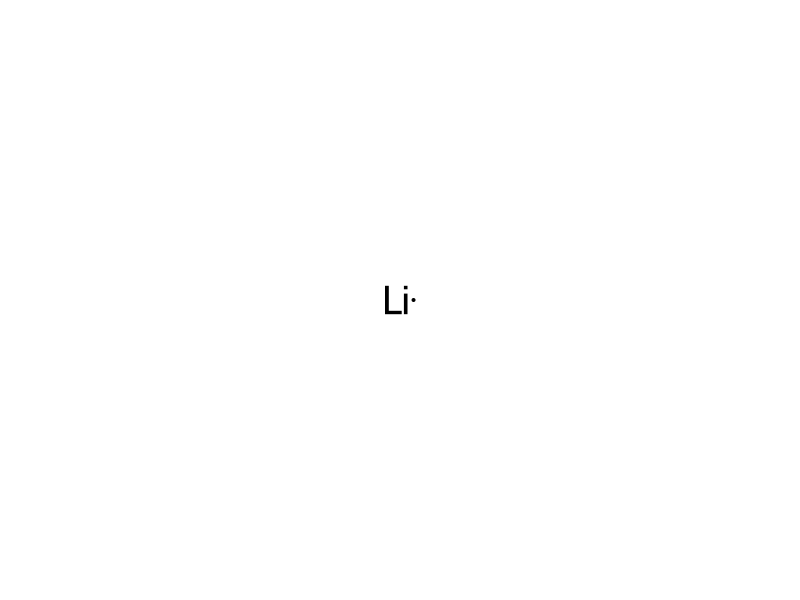
[CH:1]1[C:10]2[C:5](=[CH:6][CH:7]=[CH:8][CH:9]=2)[CH:4]=[CH:3][CH:2]=1.[Li].[Li].C1C2C(=CC=CC=2)C=CC=1.C=CC=C.C(=[O:33])CCCCC>O1CCCC1>[CH3:1][CH2:2][C:3]#[C:4][CH:5]([OH:33])[CH2:6][CH2:7][CH2:8][CH2:9][CH3:10]Participants
Reactant 5



Product 1

Reagents, catalysts & solvents 1

Conditions
- Temperature
- 55 °C
Procedure
Following the procedure of Example 1, but with a pressure equalizing dropping funnel in place of the gas addition tube, 100 g. of naphthalene (0.77 moles) were added to 7.3 g. of lithium metal powder (1.05 moles) in 100 ml. tetrahydrofuran forming a dark green-brown lithium-naphthalene adduct over a period of about 30 minutes. 168 g. of the gaseous hydrocarbon mixture of Example 1 dissolved in 800 ml. tetrahydrofuran were added to the flask over a two hour period while maintaining the slurry at a temperature of about 55°C. Near the end of the addition, the slurry turned to an olive green color and became light brown after stirring for an additional hour. An aliquot of the resultant product was reacted with 1-hexanal producing 3-decyn-5-ol which, by gas chromotograph analysis, establishes a yield of butynyllithium in excess of 90%, based on lithium.
Workup
- additionin place of the gas addition tube, 100 g
- additionNear the end of the addition
Sources & evidence
- ORD record
- ord-d74eaf3fba7c4b948c3ead48196f2dd8
- Source dataset
- uspto-grants-1976_08
- Patent number
- US03975453
Reaction notes
Loading…