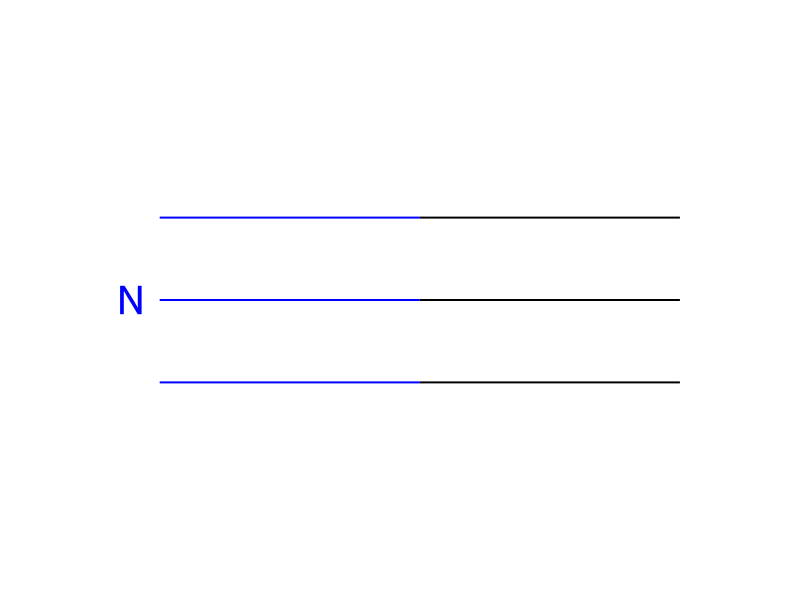
Hydrogen Cyanide → Cyclohexanone cyanohydrin
Reaction equation

C(=O)([O-])[O-].[Na+].[Na+].[CH:7]#[N:8].[C:9]1(=[O:15])[CH2:14][CH2:13][CH2:12][CH2:11][CH2:10]1>O>[CH2:12]1[CH2:13][CH2:14][C:9]([OH:15])([C:7]#[N:8])[CH2:10][CH2:11]1Participants
5
Reactant 3


Product 1

Reagents, catalysts & solvents 1

Conditions
- Temperature
- 10 °C
Procedure
Sodium carbonate (30.0 g., 0.283 mole) was dissolved in 200.2 g. of water, the system was closed and anhydrous liquid HCN (3.46 g., 0.128 mole) was added to the solution. Little, if any, heat was given off in the reaction and the product solution was clear. Cyclohexanone (32.05 g., 0.327 mole) was injected into the system with good mixing. The mixture heated up immediately 10°C. The organic and aqueous phases were mixed for 15 minutes longer and then allowed to separate. The organic layer (35.9 g.) was analyzed for free HCN, showing none, followed by an analysis for both combined and free HCN which showed 3.19 g. (0.118 mole) or 92% of the original HCN injected appearing in the organic phase as cyanohydrin.
Workup
- temperatureLittle, if any, heat
- customwas given off in the reaction
- additionThe organic and aqueous phases were mixed for 15 minutes longer
- customto separate
Sources & evidence
- ORD record
- ord-e9d84a458f50451cb4f08c0dd756f7c9
- Source dataset
- uspto-grants-1976_08
- Patent number
- US03975502
Reaction notes
Loading…