Water → Ethyl 3-(ethoxycarbonyl)-1,4-dimethyl-1H-pyrrole-2-acetate
Reaction equation

[CH3:1][NH2:2].[CH3:3][CH2:4][O:5][C:6]([CH2:8][C:9]([CH2:11][C:12]([O:14][CH2:15][CH3:16])=[O:13])=O)=[O:7].Cl[CH2:18][C:19](=O)[CH3:20].O>C(Cl)Cl>[CH3:1][N:2]1[CH:18]=[C:19]([CH3:20])[C:8]([C:6]([O:5][CH2:4][CH3:3])=[O:7])=[C:9]1[CH2:11][C:12]([O:14][CH2:15][CH3:16])=[O:13]Participants
6
Reactant 4

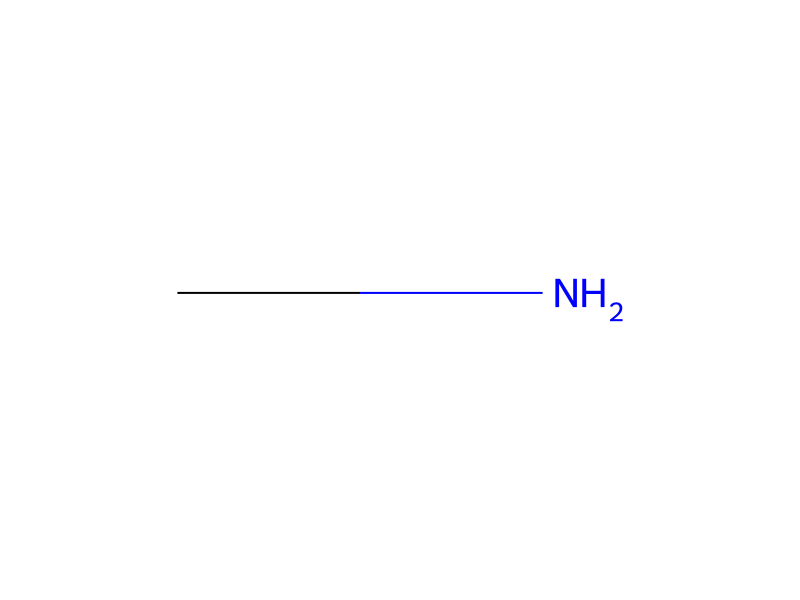


Product 1

Reagents, catalysts & solvents 1

Conditions
- Temperature
- 90 °C
Procedure
In a comparative example anhydrous gaseous methylamine was bubbled through a mixture of diethyl acetone dicarboxylate and chloroacetone in methylene chloride for about five minutes while the temperature rose from 25 to about 40° C. After reaction for one-half hour, water was added and the reaction mixture was heated to 90° C. for about one-half hour. Extraction with chloroform gave a dark oil containing 23 percent yield of desired ethyl 1,4-dimethyl-3-ethoxycarbonylpyrrole-2-acetate.
Workup
- customrose from 25 to about 40° C
- customAfter reaction for one-half hour
- extractionExtraction with chloroform
- customgave a dark oil
Sources & evidence
- ORD record
- ord-e8ca12d1967543a9b21eaa462d8d8e1e
- Source dataset
- uspto-grants-1986_01
- Patent number
- US04565878
Reaction notes
Loading…