Water → Ethyl 5-bromo-1-cyclopropyl-6,7,8-trifluoro-1,4-dihydro-4-oxo-3-quinolinecarboxylate
Reaction equation

[Br:1][C:2]1[C:20]([F:21])=[C:19]([F:22])[C:18]([F:23])=[C:17](F)[C:3]=1[C:4]([C:6](=[CH:12][NH:13][CH:14]1[CH2:16][CH2:15]1)[C:7]([O:9][CH2:10][CH3:11])=[O:8])=[O:5].[F-].[Na+].O>CN(C)C=O>[Br:1][C:2]1[C:20]([F:21])=[C:19]([F:22])[C:18]([F:23])=[C:17]2[C:3]=1[C:4](=[O:5])[C:6]([C:7]([O:9][CH2:10][CH3:11])=[O:8])=[CH:12][N:13]2[CH:14]1[CH2:16][CH2:15]1Participants
5




Procedure
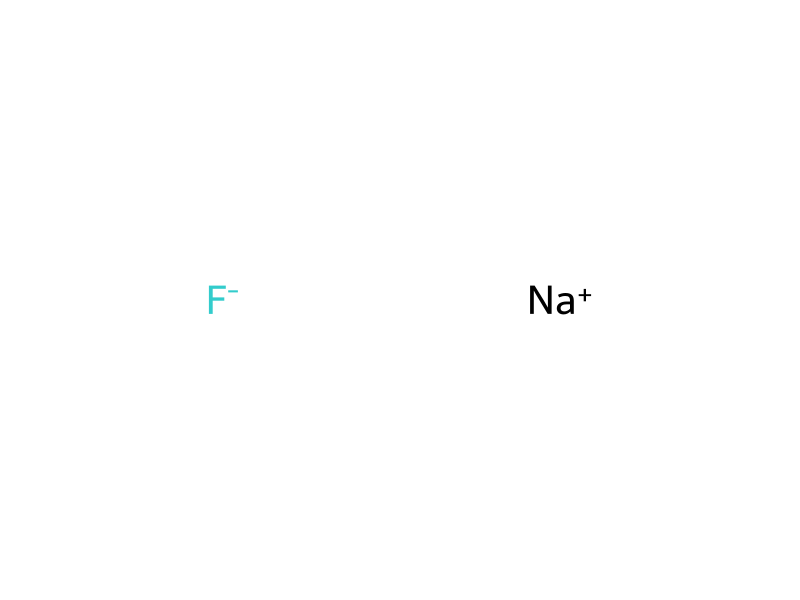
28 g (68 mmol) of ethyl 2-(2-bromo-3,4,5,6-tetrafluoro-benzoyl)-3-cyclopropylamino-acrylate are heated under reflux in 88 ml of dimethylformamide with 6.9 g (164 mmol) of sodium fluoride for 6 hours. After cooling, the mixture is poured into water and the precipitate (red) which has separated out is filtered off with suction, washed with a large quantity of water and dried at 80° C. in a circulating air cabinet.
Workup
- temperatureAfter cooling
- customthe precipitate (red) which has separated out
- filtrationis filtered off with suction
- washwashed with a large quantity of water
- customdried at 80° C. in a circulating air cabinet
Sources & evidence
- ORD record
- ord-e75ed450e6934d37becfb1d2c4a6a8dc
- Source dataset
- uspto-grants-1995_11
- Patent number
- US05464796
Reaction notes
Loading…