Butyl isocyanate → isopropyl 2-[N-(N-butylaminocarbonyl)aminosulfonyl]-4-chlorobenzoate
Reaction equation

[CH3:1][CH:2]([O:4][C:5](=[O:17])[C:6]1[CH:11]=[CH:10][C:9]([Cl:12])=[CH:8][C:7]=1[S:13]([NH2:16])(=[O:15])=[O:14])[CH3:3].[CH2:18]([N:22]=[C:23]=[O:24])[CH2:19][CH2:20][CH3:21].C(=O)([O-])[O-].[K+].[K+]>CC(=O)CC>[CH3:3][CH:2]([O:4][C:5](=[O:17])[C:6]1[CH:11]=[CH:10][C:9]([Cl:12])=[CH:8][C:7]=1[S:13]([NH:16][C:23]([NH:22][CH2:18][CH2:19][CH2:20][CH3:21])=[O:24])(=[O:14])=[O:15])[CH3:1]Participants
5
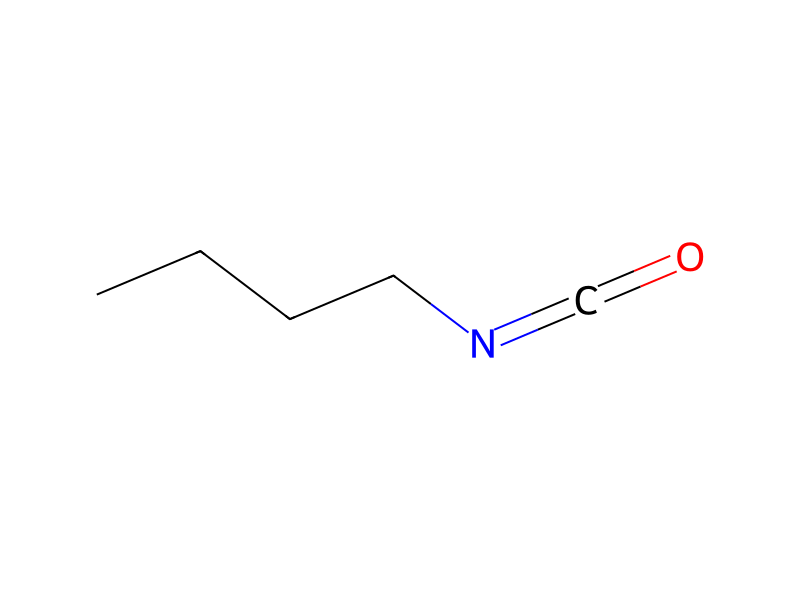



Procedure
A mixture of 1063.4 g of (1-methylethyl)-2-(aminosulfonyl)-4-chlorobenzoate, 590.4 g of butylisocyanate, 590.4 g of potassium carbonate and 10.8 L of 2-butanone was heated at reflux overnight. After cooling to ambient temperature, the reaction mixture was divided into two portions. Each portion was poured into 10 L of ice-water. The aqueous mixtures were extracted with 9 L each of methylene chloride. The combined aqueous phases were acidified to pH 1.0 with concentrated hydrochloric acid. The resulting solids were collected and dried to give 714.6 g of the title compound, m.p. 129°.132° C.
Workup
- temperaturewas heated
- temperatureat reflux overnight
- extractionThe aqueous mixtures were extracted with 9 L each of methylene chloride
- customThe resulting solids were collected
- customdried
Sources & evidence
- ORD record
- ord-a2c3686b7f1d41bf8f5430c565326991
- Source dataset
- uspto-grants-1986_01
- Patent number
- US04566898
Reaction notes
Loading…