Thionyl Chloride → HCID 21507698, compound
Reaction equation

[CH2:1]([N:8]1[C:12]([CH2:13]O)=[C:11]([C:15]2[CH:20]=[CH:19][CH:18]=[CH:17][CH:16]=2)[C:10]([C:21]2[CH:26]=[CH:25][CH:24]=[CH:23][CH:22]=2)=[N:9]1)[C:2]1[CH:7]=[CH:6][CH:5]=[CH:4][CH:3]=1.S(Cl)([Cl:29])=O>C(Cl)(Cl)Cl.C(OC(C)C)(C)C>[CH2:1]([N:8]1[C:12]([CH2:13][Cl:29])=[C:11]([C:15]2[CH:20]=[CH:19][CH:18]=[CH:17][CH:16]=2)[C:10]([C:21]2[CH:26]=[CH:25][CH:24]=[CH:23][CH:22]=2)=[N:9]1)[C:2]1[CH:7]=[CH:6][CH:5]=[CH:4][CH:3]=1Participants
5
Reactant 2


Product 1

Reagents, catalysts & solvents 2

Conditions
- Temperature
- -5 °C
Procedure
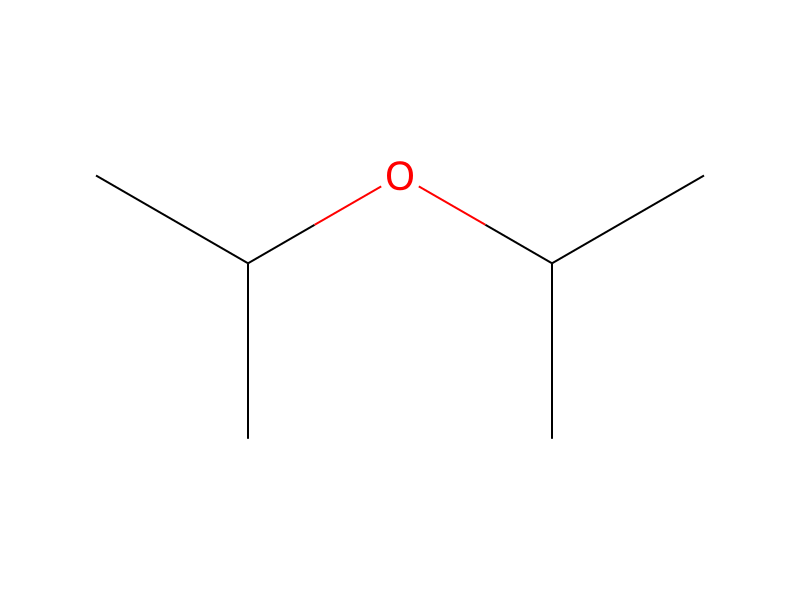
60 grams of 1-benzyl-3,4-diphenyl-5-hydroxymethylpyrazole dissolved in 150 ml of anhydrous chloroform are added to 51 ml of thionyl chloride dissolved in 450 ml of anhydrous chloroform, which has been cooled to -5° C. The solution is heated for 3 hours under reflux whilst being stirred. It is then cooled to ambient temperature and the chloroform is evapoated under reduced pressure. The residue is dissolved in 200 ml of petroleum ether and then suspended in 100 ml of diisopropyl ether. 53.4 grams of 1-benzyl-3,4-diphenyl-5-chloromethylpyrazole melting at 99° C are thus obtained.
Workup
- temperatureThe solution is heated for 3 hours
- temperatureunder reflux
- temperatureIt is then cooled to ambient temperature
Sources & evidence
- ORD record
- ord-f8dbc7eb940846869c59852e9ff116d5
- Source dataset
- uspto-grants-1976_10
- Patent number
- US03984431
Reaction notes
Loading…