Acetic Anhydride → 7-[N-(4-Hydroxynonyl)-2-hydroxyacetamido]-heptanoic acid
Reaction equation

C(OC(=O)C)(=[O:3])C.ClCC(OC(=O)CCl)=O.ClCC(NCCCCCCC(OCC)=O)=O.C([O:36][CH:37]([CH2:57][CH2:58][CH2:59][CH2:60][CH3:61])[CH2:38][CH2:39][CH2:40][N:41]([CH2:46][CH2:47][CH2:48][CH2:49][CH2:50][CH2:51][C:52]([O:54]CC)=[O:53])[C:42](=[O:45])[CH:43]=C)(=O)C.OC(CCCCC)CCCN(CCCCCCC(O)=O)C(=O)C=C>>[OH:36][CH:37]([CH2:57][CH2:58][CH2:59][CH2:60][CH3:61])[CH2:38][CH2:39][CH2:40][N:41]([CH2:46][CH2:47][CH2:48][CH2:49][CH2:50][CH2:51][C:52]([OH:54])=[O:53])[C:42](=[O:45])[CH2:43][OH:3]Participants
6
Reactant 5

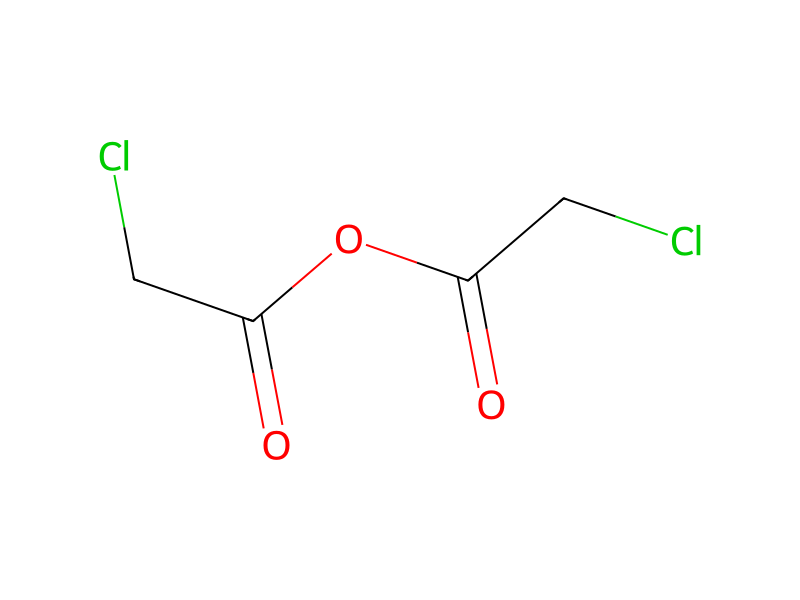


Product 1

Procedure
The synthesis of this compound is carried out as described in Example 2 except that, in Step A, the acetic anhydride is replaced by an equimolar amount of chloroacetic anhydride. The product of Step A is ethyl 7-(2-chloroacetamido)heptanoate. Subsequent steps yield: ethyl 7-[N-(4-acetoxynonyl)-2-chloroacetamido] heptanoate (B); and 7-[N-(4-hydroxynonyl-2-hydroxyacetamido]-heptanoic acid (C); (the basic hydrolytic conditions cause the replacement of the chlorine atom by hydroxy in this step).
Workup
- customThe synthesis of this compound
Sources & evidence
- ORD record
- ord-26c767adee8149eeb97b477e9dc2b7cd
- Source dataset
- uspto-grants-1976_10
- Patent number
- US03987091
Reaction notes
Loading…