Phosphate → HCID 10800903, compound
Reaction equation

[Br:1][C:2]1[N:3]([CH3:13])[C:4]2[C:9]([C:10]=1[CH:11]=[O:12])=[CH:8][CH:7]=[CH:6][CH:5]=2.CC(=CC)C.Cl([O-])=[O:20].[Na+].Cl([O-])=O.P([O-])([O-])([O-])=O>O.CC(O)C.O1CCOCC1>[Br:1][C:2]1[N:3]([CH3:13])[C:4]2[C:9]([C:10]=1[C:11]([OH:20])=[O:12])=[CH:8][CH:7]=[CH:6][CH:5]=2Participants
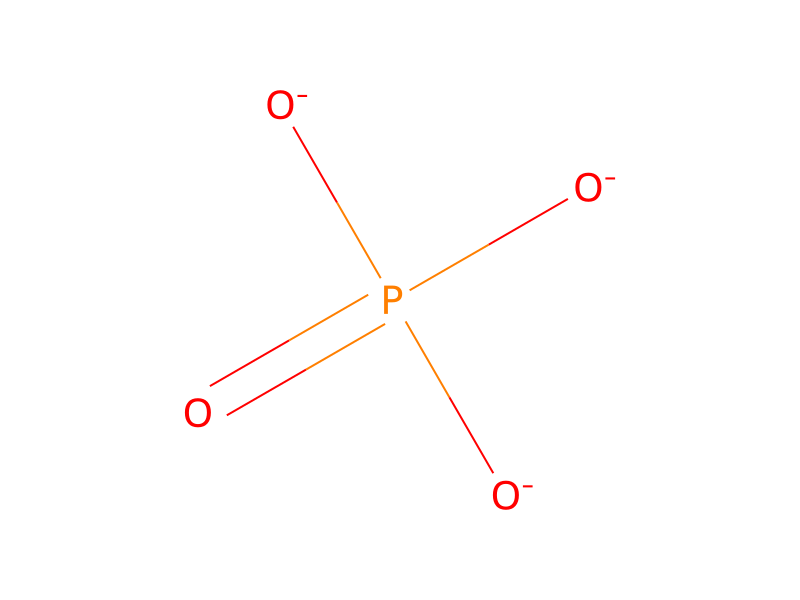
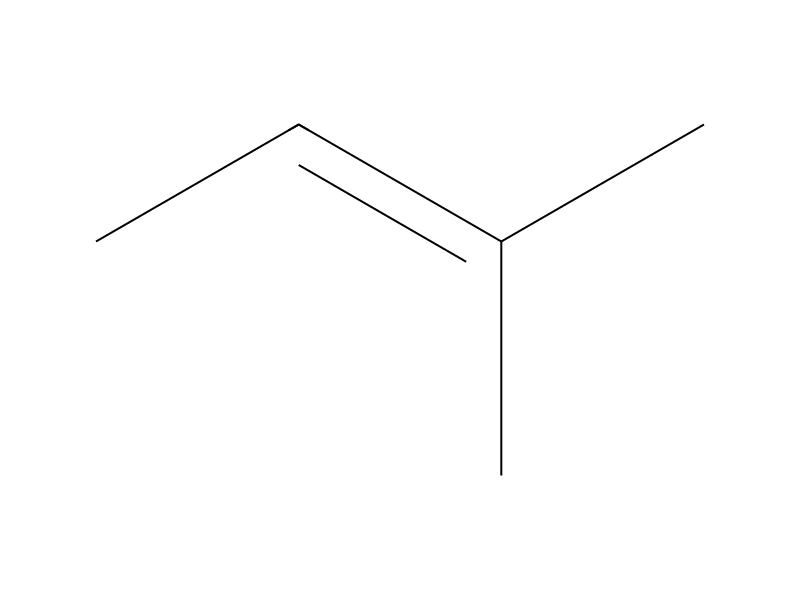


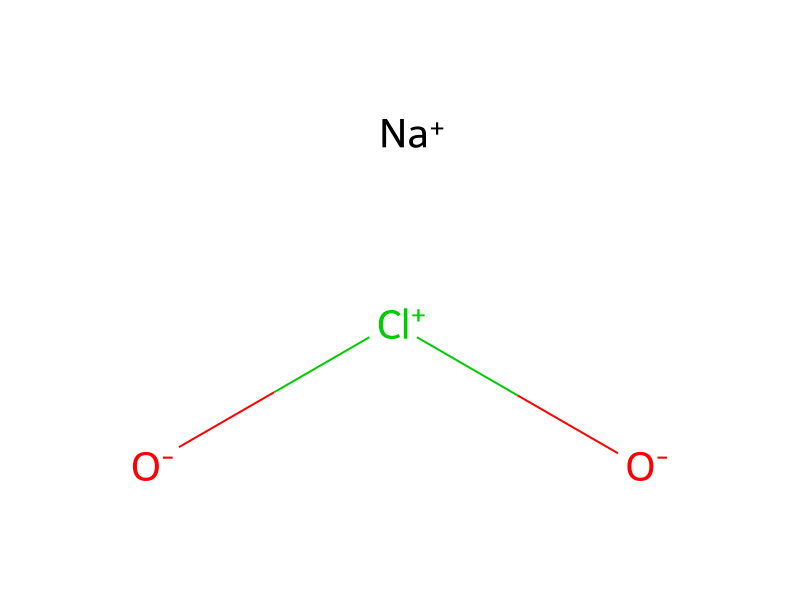




Conditions
- Temperature
- 25 °C
Procedure
To a vigorously stirred solution of 2.38 g (10 mmol) of 2-bromo-1-methylindole-3-carboxaldehyde [XXVI: R1 =H, R3 =CH3, X=Br], 10 mL of 2-methyl-2-butene, and 40 mL of p-dioxane at 25° C. was added dropwise over ca. 15 minutes a solution of 5 g (55 mmol) of sodium chlorite and 5 g (36 mmol) of NaH2PO4.H2O in 25 mL of water. The solution was maintained at 25° C. After 3.5 hours, the mixture was treated with an additional 2.5 g each of the chlorite and phosphate. After a total reaction time of 24 hours, the mixture was extracted 3 times with dichloromethane, then the aqueous phase was acidified to pH 2 with aqueous HCl, and extracted once more. The combined organic extracts were washed with water, dried, and evaporated to leave a solid residue that was boiled in 2 -propanol. After cooling, the solids were collected by filtration, washed with a little 2-propanol, and dried to leave 2.21 g (87%) of 2-bromo-1-methylindole-3-carboxylic acid [XXVII: R1 =H, R3 =CH3, X=Br] as a beige solid; mp ca. 198° C. (dec), in 2 crops.
Workup
- extractionAfter a total reaction time of 24 hours, the mixture was extracted 3 times with dichloromethane
- extractionextracted once more
- washThe combined organic extracts were washed with water
- customdried
- customevaporated
- customto leave a solid residue that
- temperatureAfter cooling
- filtrationthe solids were collected by filtration
- washwashed with a little 2-propanol
- customdried
Sources & evidence
- ORD record
- ord-1fc627fc0d30491ca81224c87a3695c5
- Source dataset
- uspto-grants-1995_11
- Patent number
- US05464861
Reaction notes
Loading…