Phthalic Anhydride → Glycidyl neodecanoate
Reaction equation

C(O)COCCO[CH2:7][CH2:8][OH:9].[C:11]1(=O)[O:16][C:14](=[O:15])[C:13]2=[CH:17][CH:18]=[CH:19][CH:20]=[C:12]12.[CH3:22][CH:23]1CC=CC2C(OC(=O)C12)=O.[C:34]1(O)C(=CC(=CC=1)O)C.C1(=O)OC(=O)C=C1>C(O)COCCO>[CH3:22][CH2:23][CH2:20][CH2:19][CH2:18][CH2:17][C:13]([C:14]([O:16][CH2:11][CH:8]1[O:9][CH2:7]1)=[O:15])([CH3:12])[CH3:34]Participants
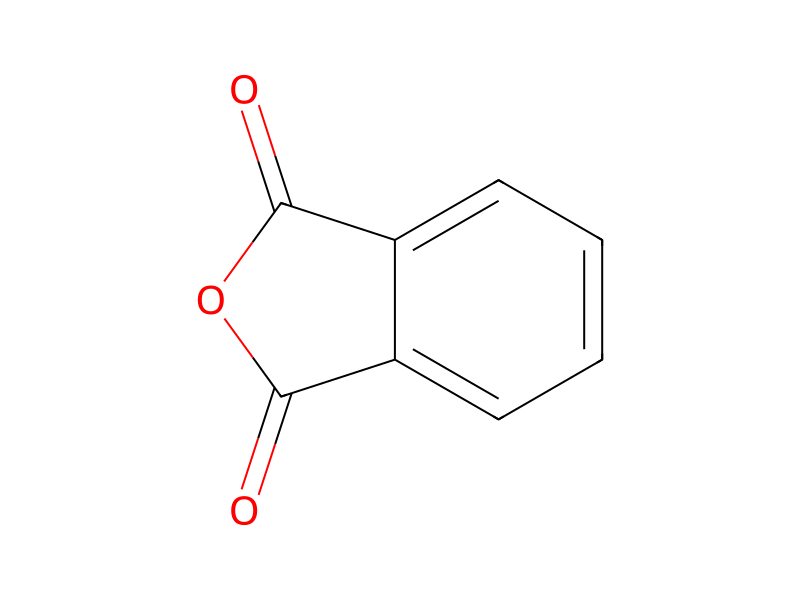
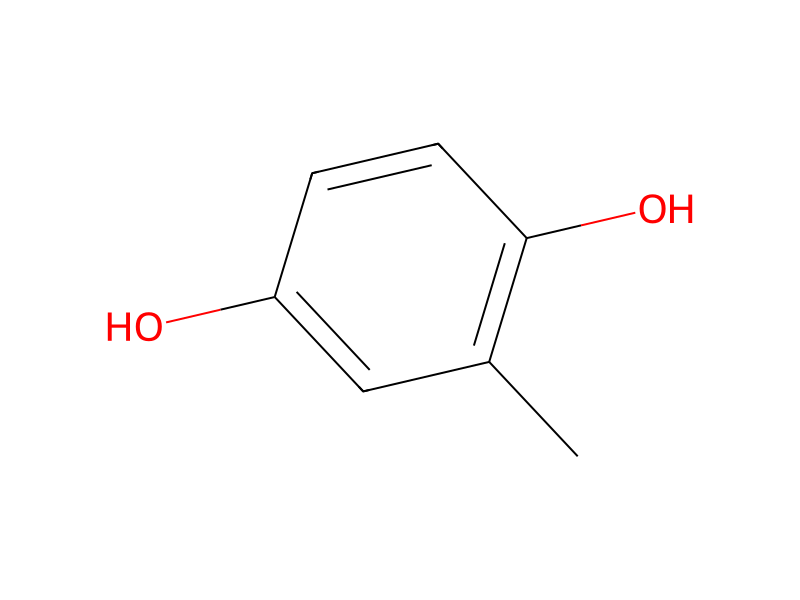

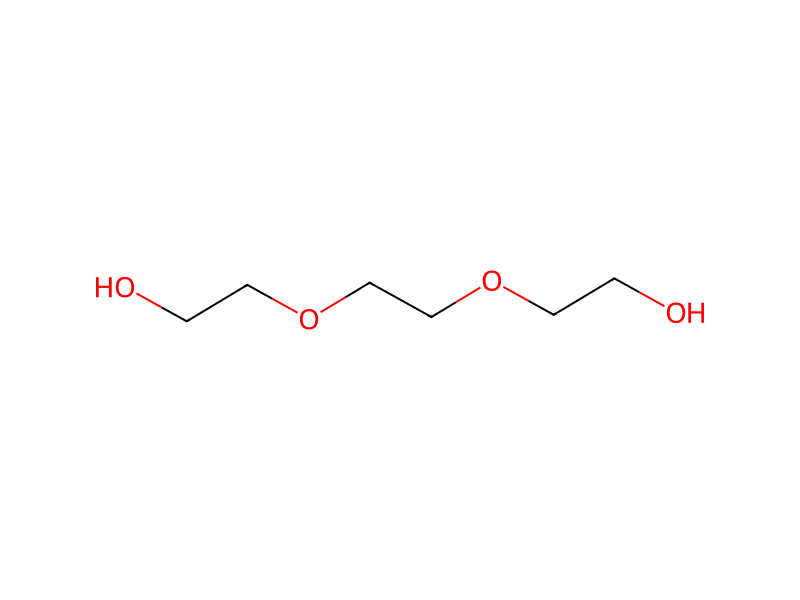


Conditions
- Temperature
- 205 °C
Procedure
593 parts of triethylene glycol, 206 parts of diethylene glycol, 305 parts of phthalic anhydride, 490 parts of 3-methyltetrahydrophthalic anhydride and 0.158 parts of toluhydroquinone were placed in a 2 liter flask containing four openings equipped with a thermometer, stirrer, inert gas introduction opening, and reflux condenser, respectively. The mixture was heated to 205° C. under a nitrogen atmosphere and allowed to react for 15 hours; upon reaching a solid acid value of 15, the mixture was cooled to 120° C. followed by addition of 87 parts of maleic anhydride. The temperature was then raised to 190° C. and allowed to react for 5 hours until reaching a solid acid value of 24, at which point it was cooled to 160° C. After 148 parts of CARDURA E-10 (an epoxy compound produced by Shell Chemicals Co., Ltd.) were added and allowed to react for 3 hours at 130° C., 1078 parts of dipropylene glycol monomethylether methacrylate were then added to produce a resin composition with a nonvolatile content of 60.0%, an acid value of 1.1 and a Gardner viscosity of S-T. 80 parts of the resin of Example 10 were then added to 20 parts of the above resin to produce a resin composition with a nonvolatile content of 60.0%, an acid value of 2.9 and a Gardner viscosity of P-Q. The resultant resin composition was then placed through the same evaluation tests as in Example 7, and the results are shown in Table 2.
Workup
- additioncontaining four openings
- customequipped with a thermometer, stirrer, inert gas introduction opening
- temperaturereflux condenser
- customto react for 15 hours
- temperaturethe mixture was cooled to 120° C.
- temperatureThe temperature was then raised to 190° C.
- customto react for 5 hours
- temperatureat which point it was cooled to 160° C
Sources & evidence
- ORD record
- ord-64131b7cf14a411ca8a1539fae18239c
- Source dataset
- uspto-grants-1998_05
- Patent number
- US05747597
Reaction notes
Loading…