Hydrochloric Acid → HCID 22019847, compound
Reaction equation

[C:1]([C:6]1[CH:11]=[CH:10][CH:9]=[C:8]([C:12]([CH2:15][CH3:16])([CH3:14])[CH3:13])[C:7]=1[OH:17])([CH2:4][CH3:5])([CH3:3])[CH3:2].[C:18]([OH:22])(=[O:21])[CH:19]=O.Cl>C(O)(=O)C>[C:12]([C:8]1[C:7](=[O:17])[C:6]([C:1]([CH2:4][CH3:5])([CH3:3])[CH3:2])=[CH:11][C:10](=[CH:19][C:18]([OH:22])=[O:21])[CH:9]=1)([CH2:15][CH3:16])([CH3:14])[CH3:13]Participants
5
Reactant 3

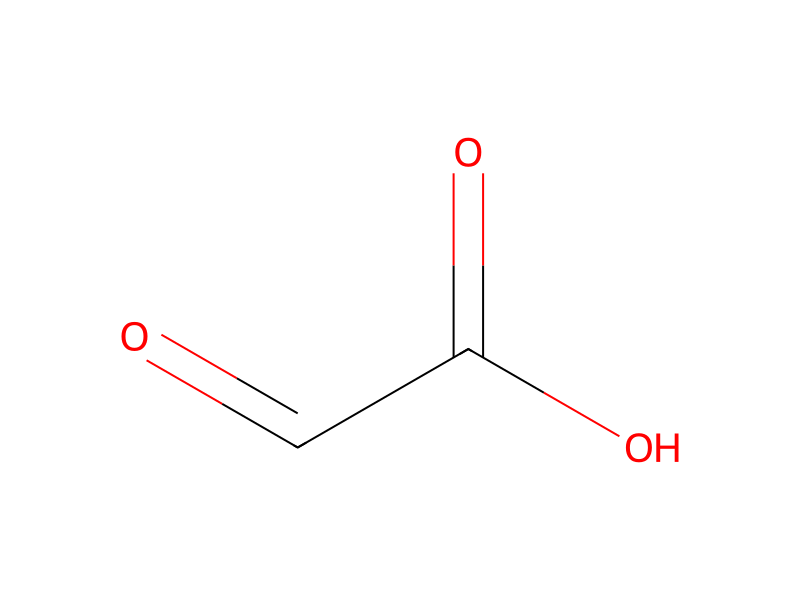

Product 1

Reagents, catalysts & solvents 1

Procedure
15.0 g (0.064 Mol) of 2,6-di-tert-amylphenol and 11.4 g (0.077 mol) of 50% aqueous glyoxylic acid are dissolved in 100 ml of acetic acid. The solution is then saturated at 15°-25° C. with hydrogen chloride gas and stirred at room temperature for additional four hours. The mixture is then poured in 400 ml of ice-water and extracted with 200 ml of ethyl acetate. The ethyl acetate layer is washed several times with water, dryed over anhydrous sodium sulfate, and evaporated in vacuo. The oily residue is then chromatographed on silica gel with ethyl acetate:hexane (1:20→1:3). The pure fractions are recrystallized from hexane to give 6.5 g of the title compound as orange needles, melting at 109°-110° C.
Workup
- extractionextracted with 200 ml of ethyl acetate
- washThe ethyl acetate layer is washed several times with water
- customevaporated in vacuo
- customThe oily residue is then chromatographed on silica gel with ethyl acetate:hexane (1:20→1:3)
- customThe pure fractions are recrystallized from hexane
Sources & evidence
- ORD record
- ord-83d41213c72e4c75b2b1dbe38775b049
- Source dataset
- uspto-grants-1998_05
- Patent number
- US05750765
Reaction notes
Loading…