Hydrochloric Acid → HCID 11301002, compound
Reaction equation

[C:1]([C:5]1[CH:10]=[CH:9][CH:8]=[C:7]([C:11]([CH3:14])([CH3:13])[CH3:12])[C:6]=1[OH:15])([CH3:4])([CH3:3])[CH3:2].[C:16]([OH:20])(=[O:19])[CH:17]=O.[ClH:21]>C(O)(=O)C.C(O)C>[C:11]([C:7]1[CH:8]=[C:9]([CH:17]([Cl:21])[C:16]([OH:20])=[O:19])[CH:10]=[C:5]([C:1]([CH3:4])([CH3:3])[CH3:2])[C:6]=1[OH:15])([CH3:14])([CH3:13])[CH3:12]Participants
Reactant 3

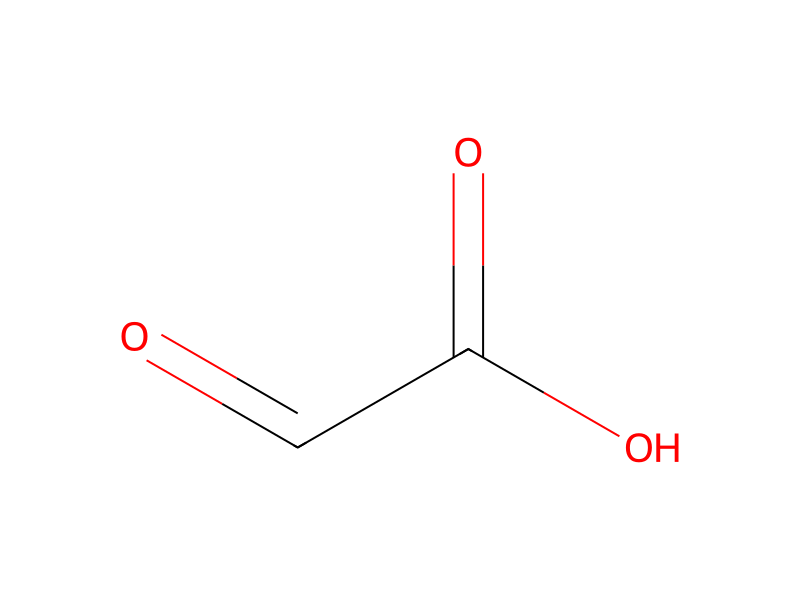

Product 1

Reagents, catalysts & solvents 2


Conditions
- Temperature
- 180 °C
Procedure
65 g of still wet (3,5-di-tert-butyl-4-hydroxy-phenyl)-chloroacetic acid are prepared from 41.2 g (0.2 mol) of 2,6-di-tert-butylphenol, 35.4 g (0.24 mol) of 50% aqueous glyoxylic acid and 44 g of hydrogen chloride in 200 ml of acetic acid as described in Example 2A. This acid is dissolved in 200 ml of absolute ethanol and allowed to stand overnight. The solvent is then evaporated in vacuo, 1.0 g of p-toluenesulfonic acid is added, followed by another 200 ml of absolute ethanol. The mixture is then heated for three hours, and the ethanol is then evaporated. The residue is then stirred at 0.1 mm Hg vacuum with the bath temperature slowly increasing up to 180° C. The title compound distills at a temperature between about 140°-160° C. as a viscous orange liquid in a yield of 27 g.
Workup
- customThe solvent is then evaporated in vacuo, 1.0 g of p-toluenesulfonic acid
- additionis added
- temperatureThe mixture is then heated for three hours
- customthe ethanol is then evaporated
- distillationThe title compound distills at a temperature between about 140°-160° C. as a viscous orange liquid in a yield of 27 g
Sources & evidence
- ORD record
- ord-fff25adf3d094ecfabe6d56d62b9d9d0
- Source dataset
- uspto-grants-1998_05
- Patent number
- US05750765
Reaction notes
Loading…