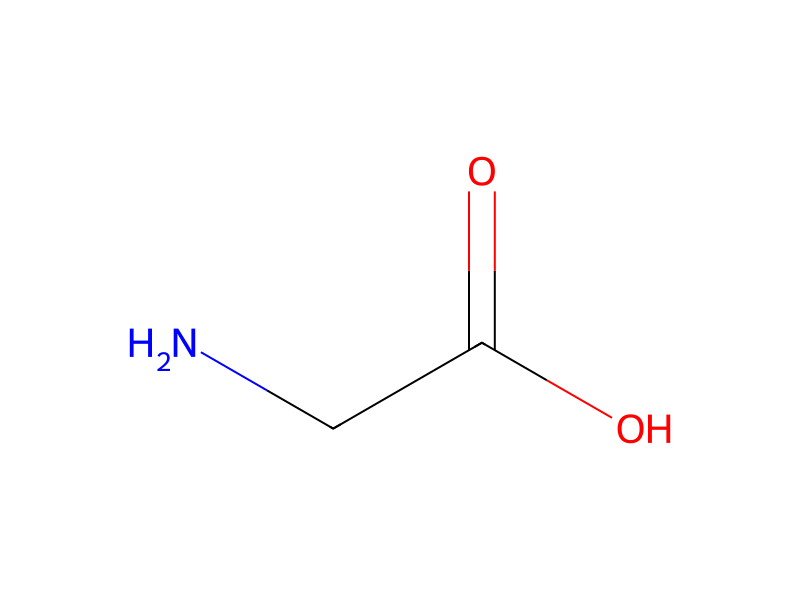
Glycine → N-(p-nitrobenzyloxycarbonyl)glycine
Reaction equation

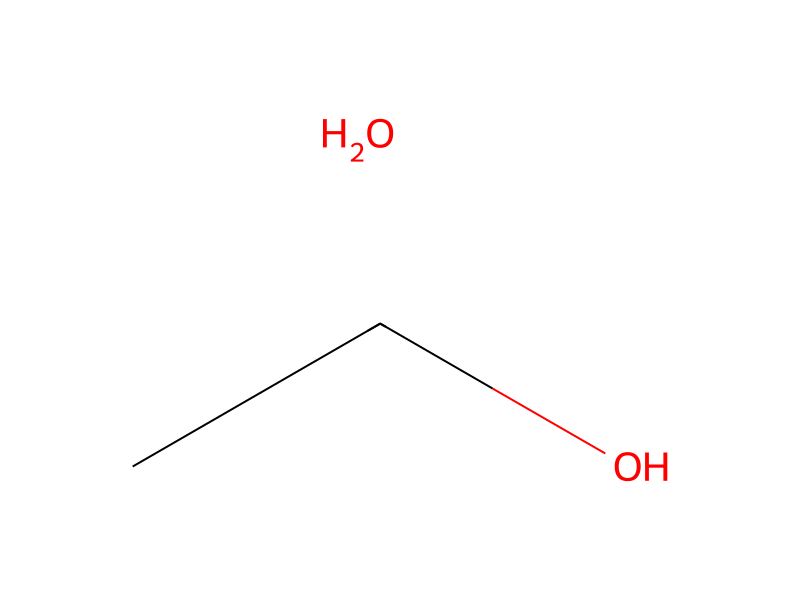
[NH2:1][CH2:2][C:3]([OH:5])=[O:4].C(O)C.O.[N+:10]([C:13]1[CH:18]=[CH:17][C:16]([CH2:19][O:20][C:21](=O)[O:22]C2C=CC([N+]([O-])=O)=CC=2)=[CH:15][CH:14]=1)([O-:12])=[O:11]>C(N(CC)CC)C>[N+:10]([C:13]1[CH:14]=[CH:15][C:16]([CH2:19][O:20][C:21]([NH:1][CH2:2][C:3]([OH:5])=[O:4])=[O:22])=[CH:17][CH:18]=1)([O-:12])=[O:11]Participants
5
Reactant 3

Product 1

Reagents, catalysts & solvents 1

Procedure
One and one half grams of glycine is slurried in 235 ml of a 80/20 mixture of ethyl alcohol/water. To this is added 5.6 ml of triethylamine, solution occurs, followed by 6.36 g of product from Example 254. A precipitate forms and the reaction is stirred overnight at room temperature. The reaction mixture is concentrated in vacuo. The resulting oil is dissolved in water and ethyl alcohol, the pH is adjusted to 1.5 with concentrated hydrochloric acid and the volume is reduced. The reaction mixture is extracted with methylene chloride, the organic layer is washed with water and concentrated in vacuo. The residue is purified by chromatography (Silica gel: ethyl acetate) to give 2.83 g of the desired product.
Workup
- concentrationThe reaction mixture is concentrated in vacuo
- dissolutionThe resulting oil is dissolved in water
- extractionThe reaction mixture is extracted with methylene chloride
- washthe organic layer is washed with water
- concentrationconcentrated in vacuo
- customThe residue is purified by chromatography (Silica gel: ethyl acetate)
Sources & evidence
- ORD record
- ord-4b475c31283b4f249368929cf1656269
- Source dataset
- uspto-grants-1998_05
- Patent number
- US05750735
Reaction notes
Loading…