Potassium Carbonate → tert-Butyl 4-(1,3-benzoxazol-2-yl)piperazine-1-carboxylate
Reaction equation

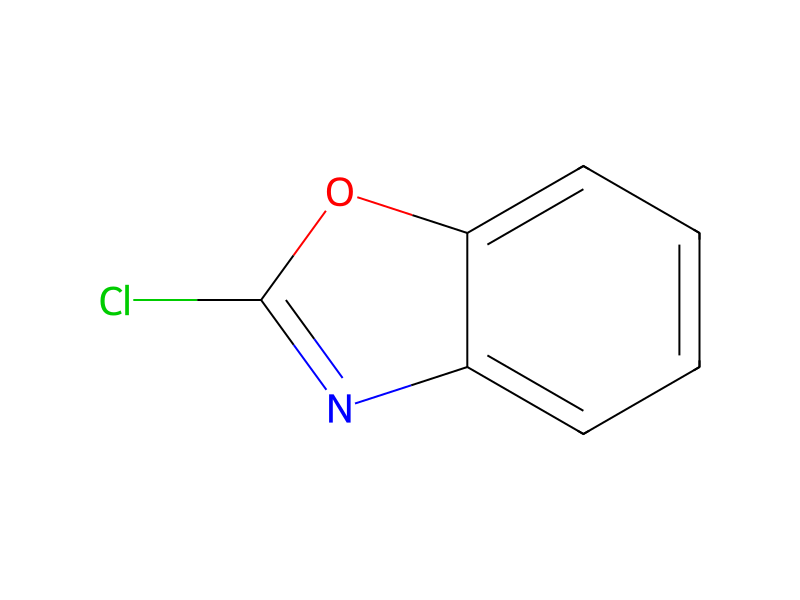
Cl[C:2]1[O:3][C:4]2[CH:10]=[CH:9][CH:8]=[CH:7][C:5]=2[N:6]=1.[C:11]([O:15][C:16]([N:18]1[CH2:23][CH2:22][NH:21][CH2:20][CH2:19]1)=[O:17])([CH3:14])([CH3:13])[CH3:12].C(=O)([O-])[O-].[K+].[K+]>C(#N)C.O>[C:11]([O:15][C:16]([N:18]1[CH2:23][CH2:22][N:21]([C:2]2[O:3][C:4]3[CH:10]=[CH:9][CH:8]=[CH:7][C:5]=3[N:6]=2)[CH2:20][CH2:19]1)=[O:17])([CH3:14])([CH3:12])[CH3:13]Participants
6





Procedure
A mixture of 52.5 mmol 2-chlorobenzoxazol, 53.6 mmol piperazine-1-carboxylic acid tert-butyl ester and 63 mmol of potassium carbonate in 60 ml of acetonitrile was refluxed for 16 hours. The reaction mixture was conentrated, diluted with water and extracted with ethyl acetate. The organic phase was dried and concentrated to yield the title compounds as a slightly orange solid. MS (m/e): 304.2 (M+H+)
Workup
- temperaturewas refluxed for 16 hours
- extractionextracted with ethyl acetate
- customThe organic phase was dried
- concentrationconcentrated
Sources & evidence
- ORD record
- ord-af43755a06964ec99c100b98ef134bed
- Source dataset
- uspto-grants-2007_07
- Patent number
- US07241761B2
Reaction notes
Loading…