Azide → HCID 178522791, compound
Reaction equation

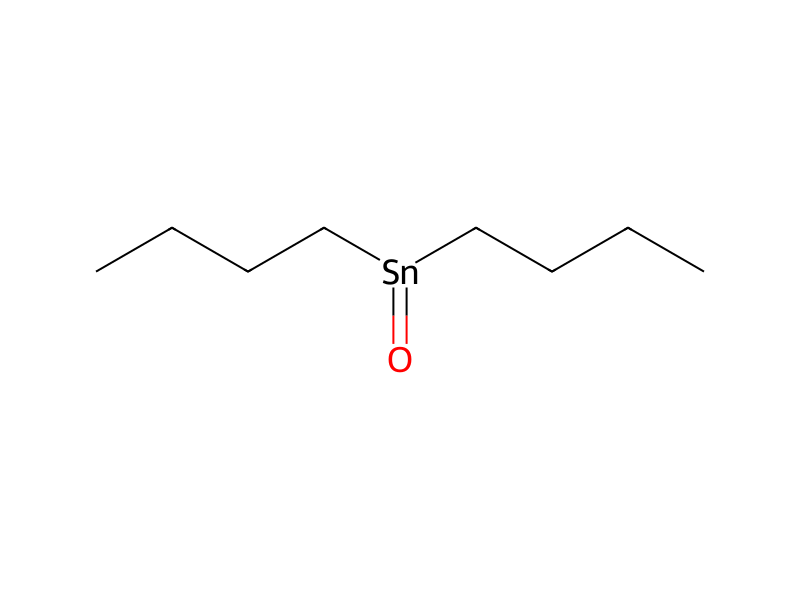
[C:1]([C:3]1[CH:26]=[CH:25][C:6]([CH2:7][NH:8][C:9](=[O:24])[C:10]2[CH:15]=[CH:14][CH:13]=[N:12][C:11]=2[O:16][C:17]2[CH:22]=[CH:21][C:20]([F:23])=[CH:19][CH:18]=2)=[CH:5][CH:4]=1)#[N:2].[N-:27]=[N+:28]=[N-:29].C([Sn](=O)CCCC)CCC>C1(C)C=CC=CC=1>[F:23][C:20]1[CH:21]=[CH:22][C:17]([O:16][C:11]2[N:12]=[CH:13][CH:14]=[CH:15][C:10]=2[C:9]([NH:8][CH2:7][C:6]2[CH:5]=[CH:4][C:3]([C:1]3[NH:29][N:28]=[N:27][N:2]=3)=[CH:26][CH:25]=2)=[O:24])=[CH:18][CH:19]=1Participants
Reactant 3


Product 1

Reagents, catalysts & solvents 1

Conditions
- Temperature
- 110 °C
Procedure
N-(4-Cyano-benzyl)-2-(4-fluoro-phenoxy)-nicotinamide (0.090 g) was placed in a sealable tube with anhydrous toluene (2 mL). Timethylsilyl azide (0.10 mL) was added, followed dibutyltin oxide (0.010 g) and the reaction mixture heated to 110° C. for 20 h. The reaction mixture was allowed to cool to ambient temperature, and quenched with 30% sodium bicarbonate (10 mL). Ethyl acetate (10 mL) was added and the aqueous layer collected. The organic layer was subsequently extracted with 30% sodium bicarbonate (2×10 mL). The combined aqueous portions were brought to pH 2 with 3N hydrochloric acid, and extracted with ethyl acetate (5×25 mL). The combined organics were dried over magnesium sulfate, filtered, and concentrated to dryness in vacuo to yield the title compound (0.040 g).
Workup
- temperatureto cool to ambient temperature
- customquenched with 30% sodium bicarbonate (10 mL)
- additionEthyl acetate (10 mL) was added
- customthe aqueous layer collected
- extractionThe organic layer was subsequently extracted with 30% sodium bicarbonate (2×10 mL)
- extractionextracted with ethyl acetate (5×25 mL)
- dry with materialThe combined organics were dried over magnesium sulfate
- filtrationfiltered
- concentrationconcentrated to dryness in vacuo
Sources & evidence
- ORD record
- ord-74f258a36f0f47dd8bcffaaca5b2cf20
- Source dataset
- uspto-grants-2007_07
- Patent number
- US07250518B2
Reaction notes
Loading…