Morpholine → 4-(4-Trifluoromethylphenyl)morpholine
Reaction equation

C1COCCN1.FC(F)(F)c1ccc(Br)cc1>CC(C)(C)P(C(C)(C)C)[c]12->[Fe+2]3456789(<-[cH]([cH]->3[cH-]->41)[cH]->52)<-[c]1(-c2ccccc2)[c]->6(-c2ccccc2)[c]->7(-c2ccccc2)[c-]->8(-c2ccccc2)[c]->91-c1ccccc1.CC(C)(C)[O-].CC1=C(C)N(c2c(C(C)C)cccc2C(C)C)[CH]([Ni]2<-[CH2]=CCCC=[CH2]->2)N1c1c(C(C)C)cccc1C(C)C.COCCOCCOC.[Na+]>FC(F)(F)c1ccc(N2CCOCC2)cc1Participants
9
Reactant 2


Product 3


Reagents, catalysts & solvents 4



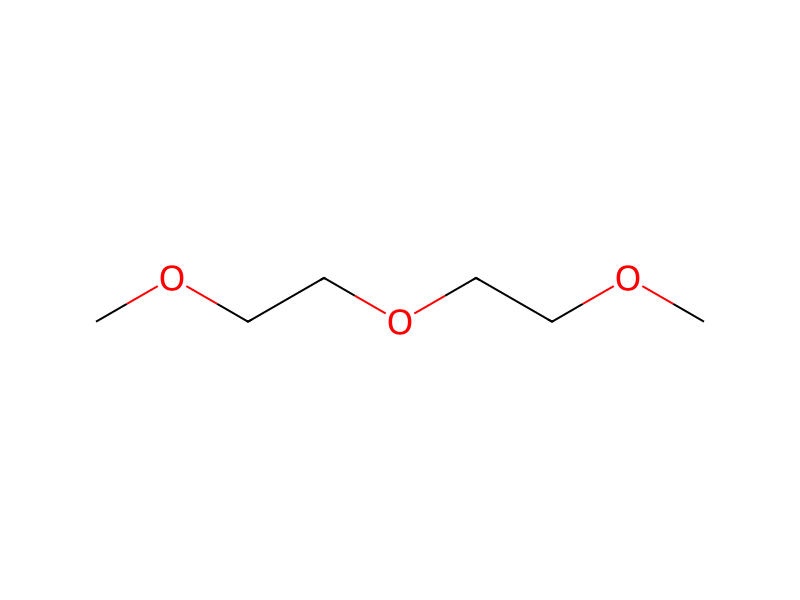
Conditions
- Temperature
- 30 °C
Workup
- customThe foil sealing tape was removed from the plate.
- addition3 μL of a 0.0667 M solution of caffeine in DMSO was added to each reaction well using an SPT Labtech Mosquito® liquid handling robot
- filtrationThe plates were then centrifuged for 15 to 20 seconds. · Keep liquid
- aliquotFollowing centrifugation, 500 nL of the resultant mixture from each well was carefully dispensed into four 384-well analytical plates (Analytical Sales # 38435) using an SPT Labtech Mosquito® liquid handling robot. Each well of these analytical plates contained 30 μL of DMSO with 0.1% acetic acid, pre-dosed by OpenTrons, to facilitate analysis.
Sources & evidence
- ORD record
- ord-e234fed5cf3a48ff8281d98e0040680f
- Source dataset
- High-throughput exploration of 50,688 Pd-, Ni- and Cu-catalysed C–N coupling reactions
- Original link
- View source
Reaction notes
Loading…