Isophthaloyl chloride → 1-N,3-N-bis[(4-fluorophenyl)methyl]benzene-1,3-dicarboxamide
Reaction equation

[F:1][C:2]1[CH:9]=[CH:8][C:5]([CH2:6][NH2:7])=[CH:4][CH:3]=1.[C:10](Cl)(=[O:20])[C:11]1[CH:19]=[CH:18][CH:17]=[C:13]([C:14](Cl)=[O:15])[CH:12]=1>C1(C)C=CC=CC=1>[F:1][C:2]1[CH:9]=[CH:8][C:5]([CH2:6][NH:7][C:10](=[O:20])[C:11]2[CH:19]=[CH:18][CH:17]=[C:13]([C:14]([NH:7][CH2:6][C:5]3[CH:8]=[CH:9][C:2]([F:1])=[CH:3][CH:4]=3)=[O:15])[CH:12]=2)=[CH:4][CH:3]=1Participants
4
Reactant 2
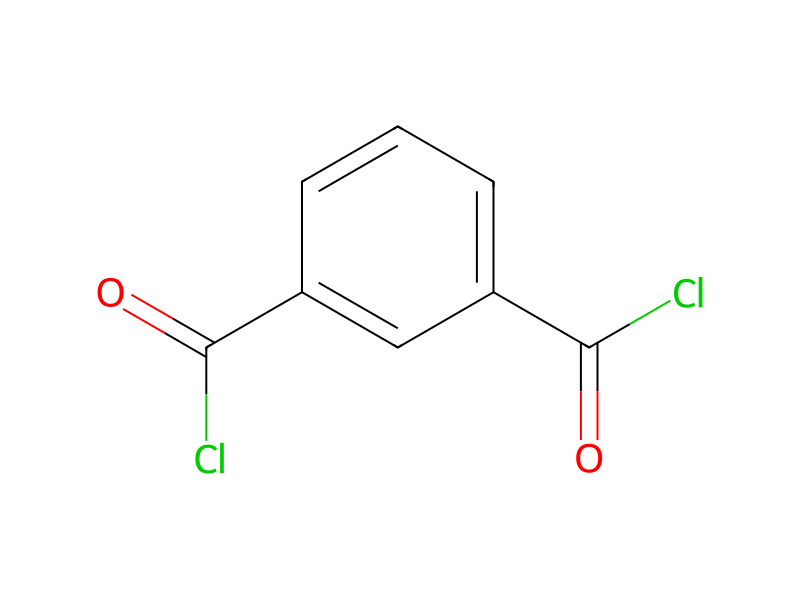
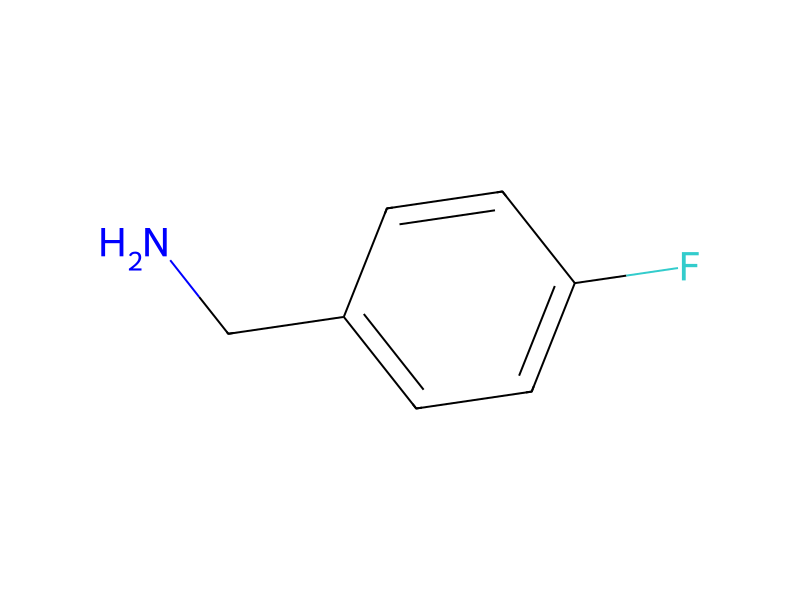
Product 1

Reagents, catalysts & solvents 1

Procedure
4-Fluoro-benzylamine (1.25 g) is added to isophthaloyl dichloride (1.015 g) in toluene (100 mL). The reaction mixture is stirred at room temperature for 4 days. The product is filtered off and washed with toluene. Recrystallization from methanol gives the product (0.52 g), mp 190–191° C.
Workup
- filtrationThe product is filtered off
- washwashed with toluene
- customRecrystallization from methanol
Sources & evidence
- ORD record
- ord-37fa2699fcc54c94a4878c0c3a68b3be
- Source dataset
- uspto-grants-2007_05
- Patent number
- US07214712B2
Reaction notes
Loading…